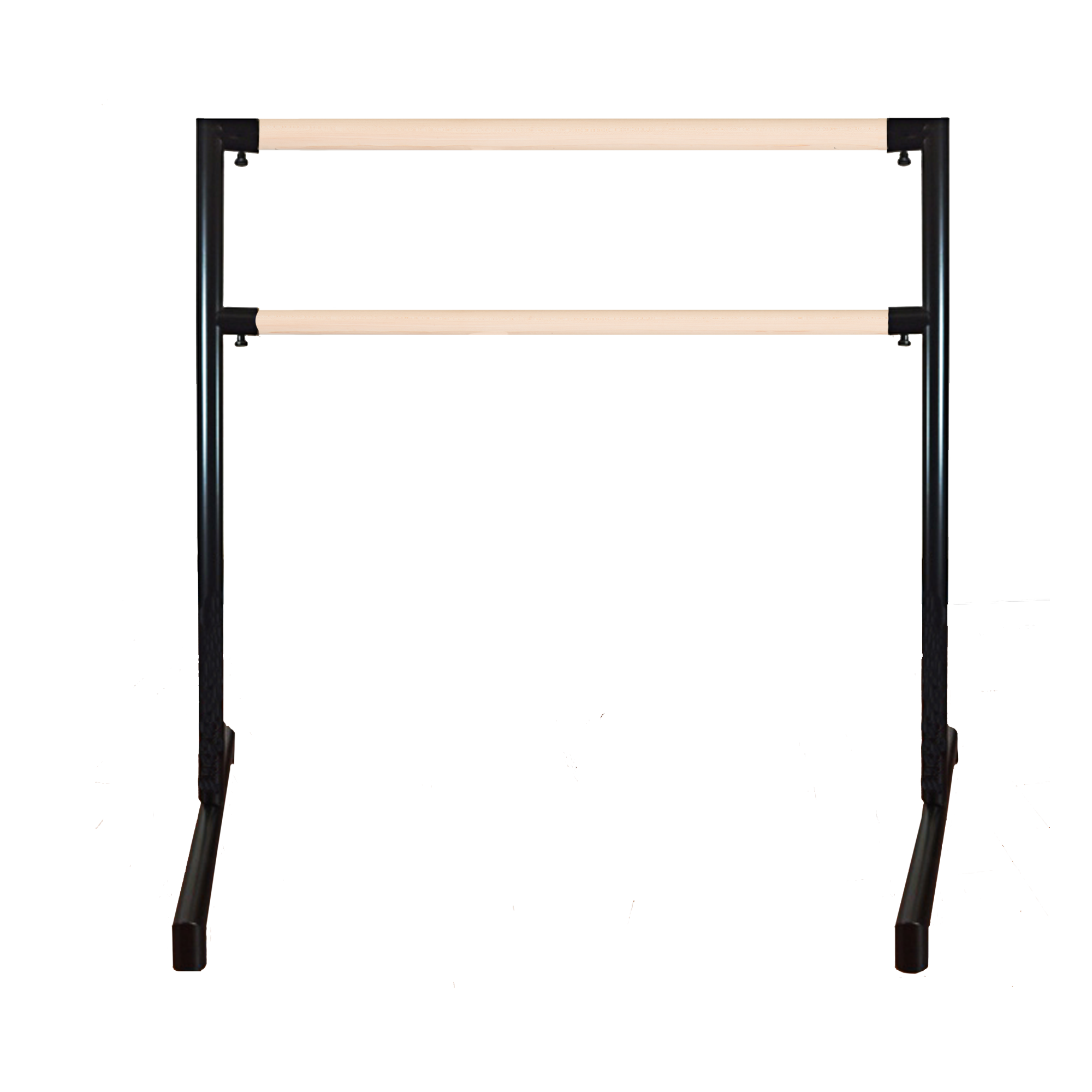
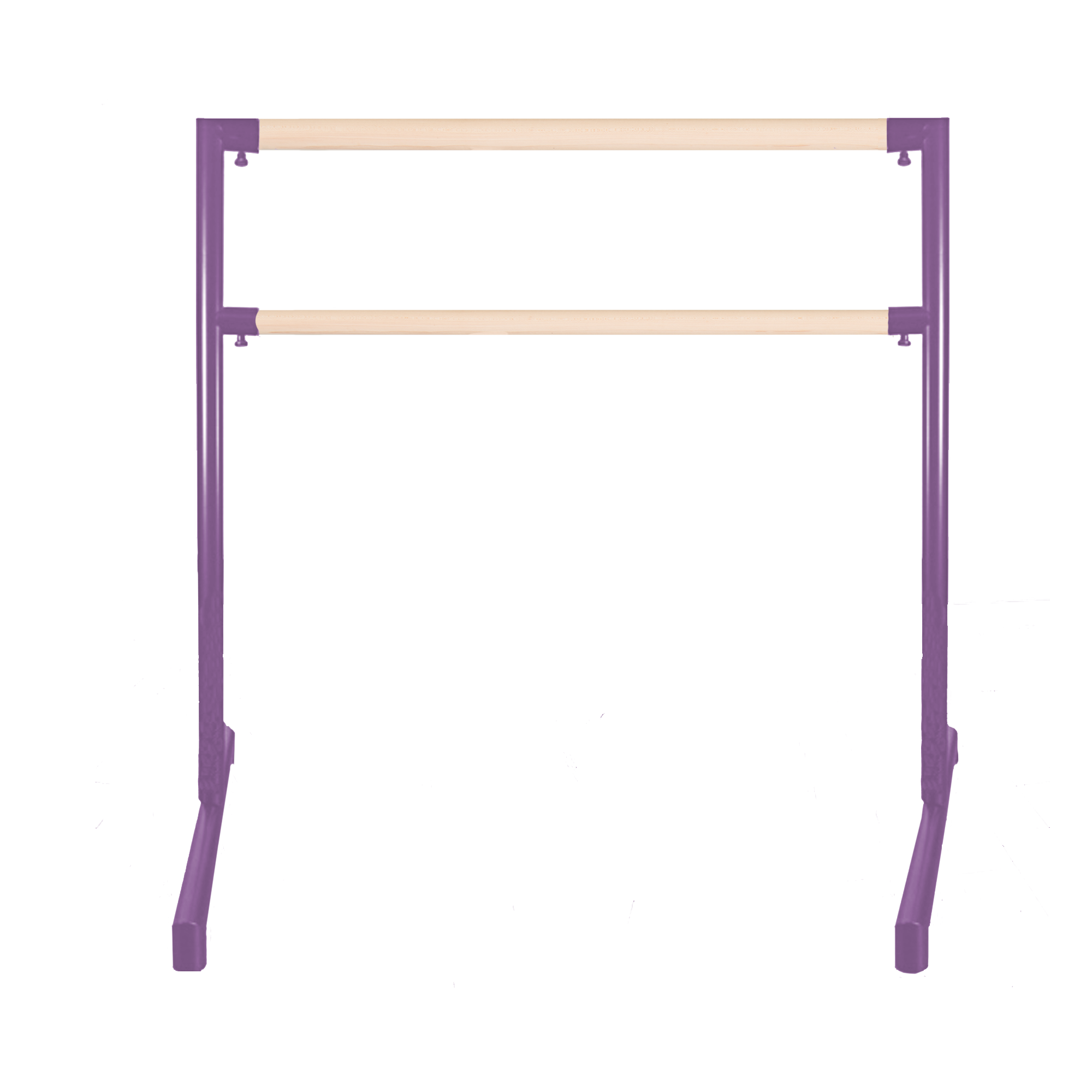
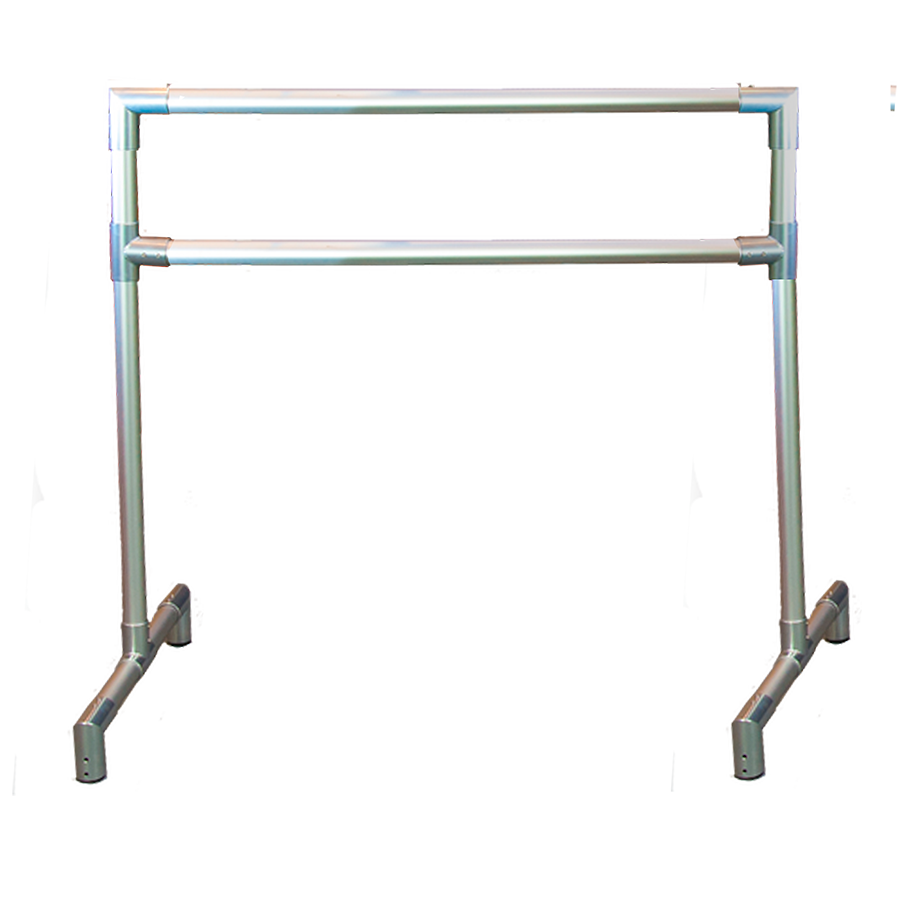
user-checked Untitled-1 innovation individuality value$ woman-owned global-usa swm-core3 swm-cabriole dwm-doubler swm-dcabriole swm-end swm-lotus cobra dfm-dclx-ballet-barre-brackets dfm-dclx-fit cart-cb tested-icon custombarres-projection-icon cb-diameter-icon custombarres-projection-icon custombarres-projection-icon custombarres-projection-icon custombarres-projection-icon custombarres-projection-icon cb-icon-materials-01 cb-icon-materials-01 cb-homeGym2 cb-architects cb-contractors cb-hotels cb-aproDancer cb-studioOwner cb-education cb-student cb-rehab2 cb-medical cb-seniors cb-military cb-barre-fitness cb-dance cb-pilates2 cb-gymnastics cb-martialArts cb_dancer cb_Logo2 cb_Logo2 print5 # ?

ADA-Compliant Rehabilitation & Therapy Barres

Accessibility • Rehabilitation • Clinical-Grade

ADA-Aligned Rehabilitation & Therapy Barres

Custom Barres rehabilitation barres are engineered for accessible environments and can be installed to align with ADA dimensional and structural guidelines when installed per specification. Built for clinics, hospitals, and senior care facilities where stability, safety, and repeatable cleaning matter.

Designed for accessible installations High-load support design Clinical cleaning friendly Made in USA

What ADA means for therapy barres

ADA is the Americans with Disabilities Act. In clinical and public-facing facilities, accessible design helps ensure safe use for patients and visitors with mobility limitations. For therapy environments, barres are often treated like support rails: installation height, grip diameter, wall clearance, and mounting integrity all matter.

Important: Compliance depends on correct installation in the specific environment. Custom Barres systems are engineered so facilities can install within ADA-aligned dimensional ranges when installed per specification.

ADA-aligned dimensional targets

Height

34–38 inches

Measured to the top of the gripping surface. Many therapy spaces choose ~36" as a practical standard.

Diameter

1¼–2 inches

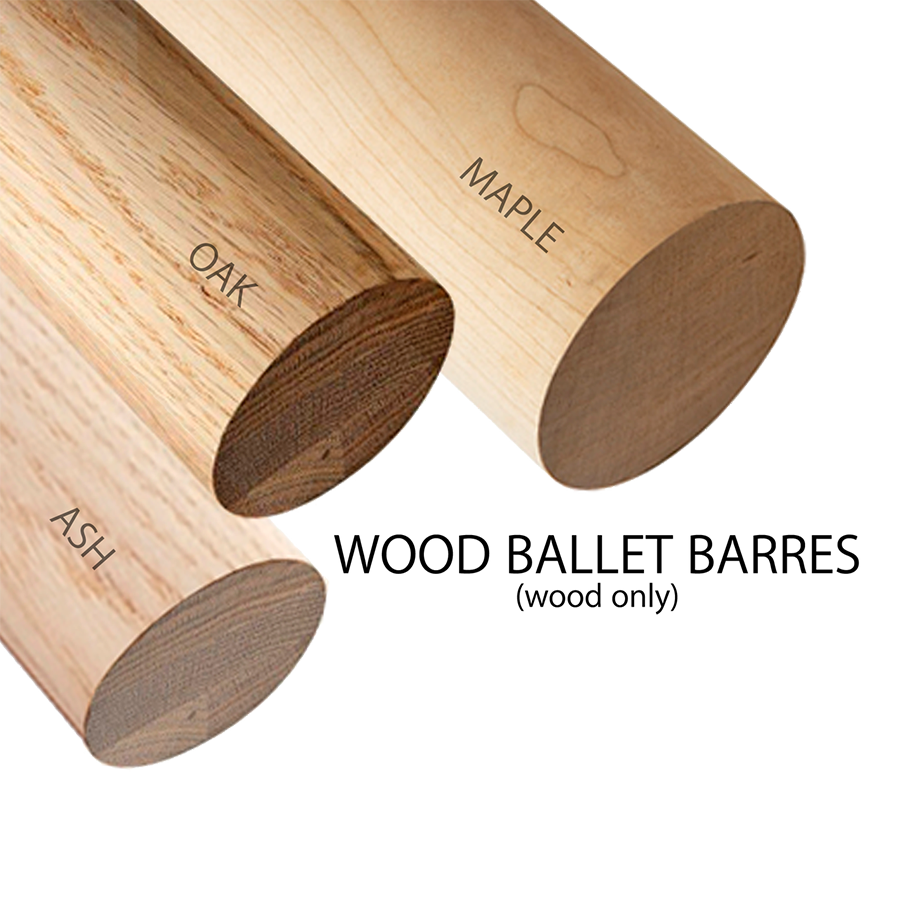
Circular grips in this range are commonly used for accessibility. Many rehab facilities prefer 2" for comfort and grip support.

Wall clearance

1½ inches minimum

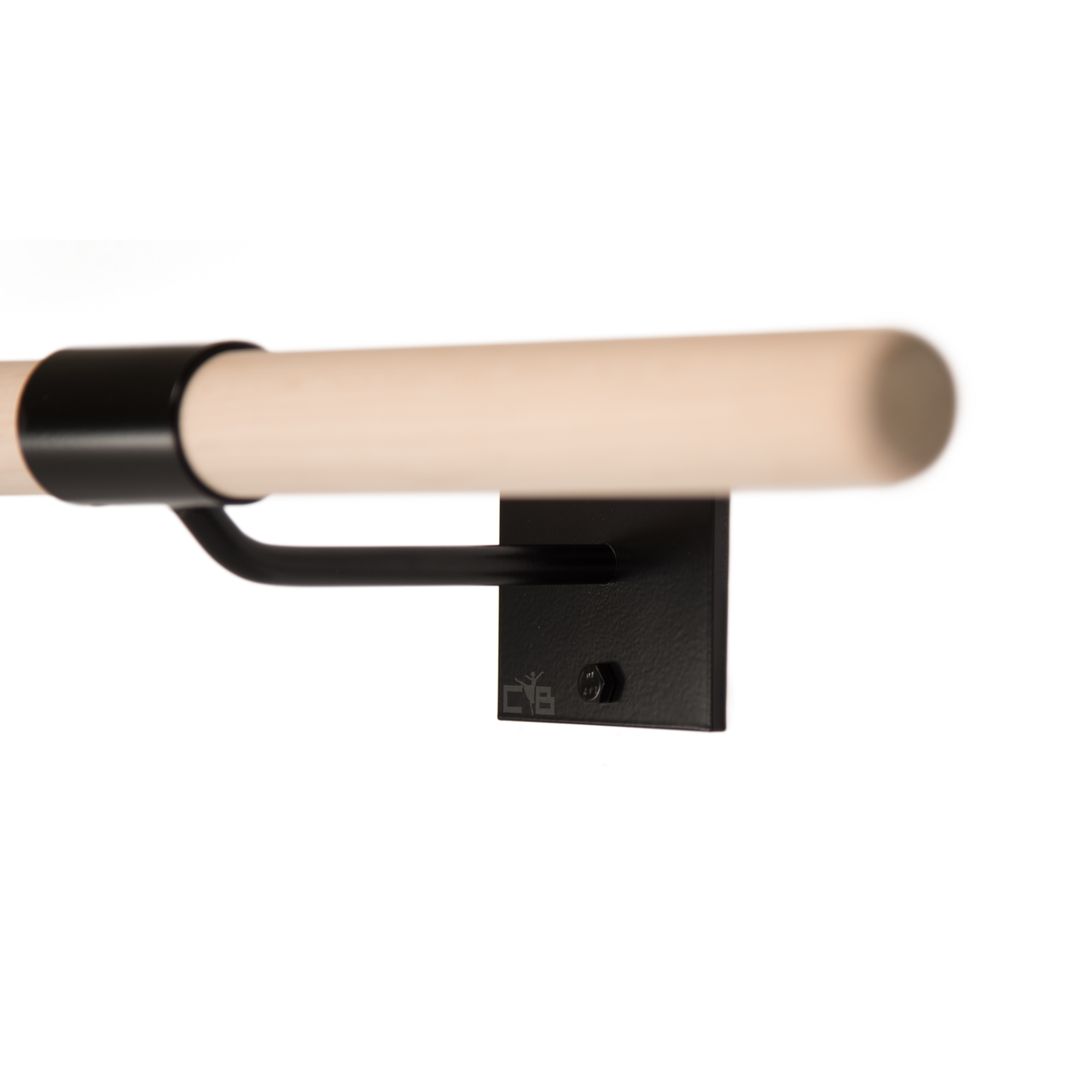
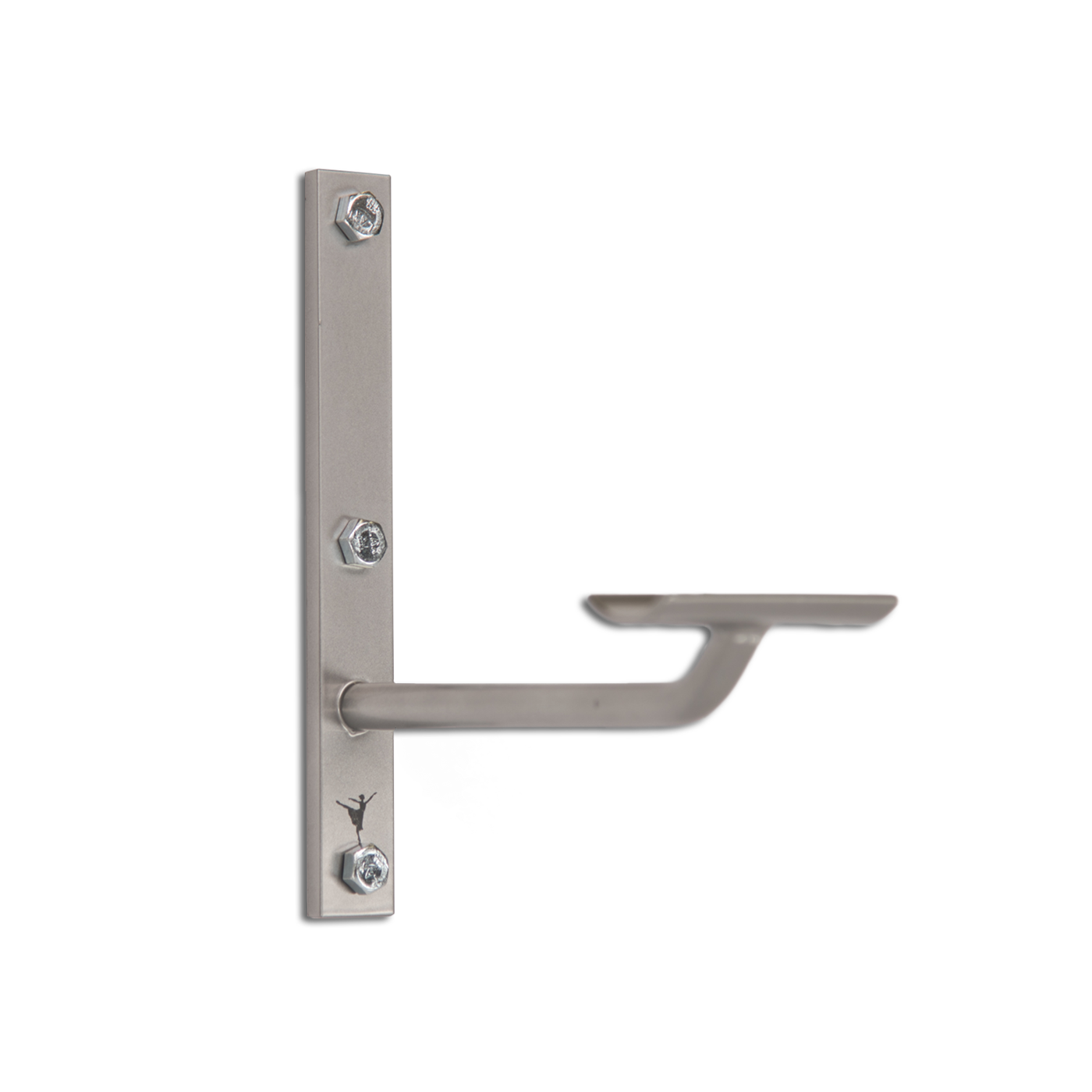
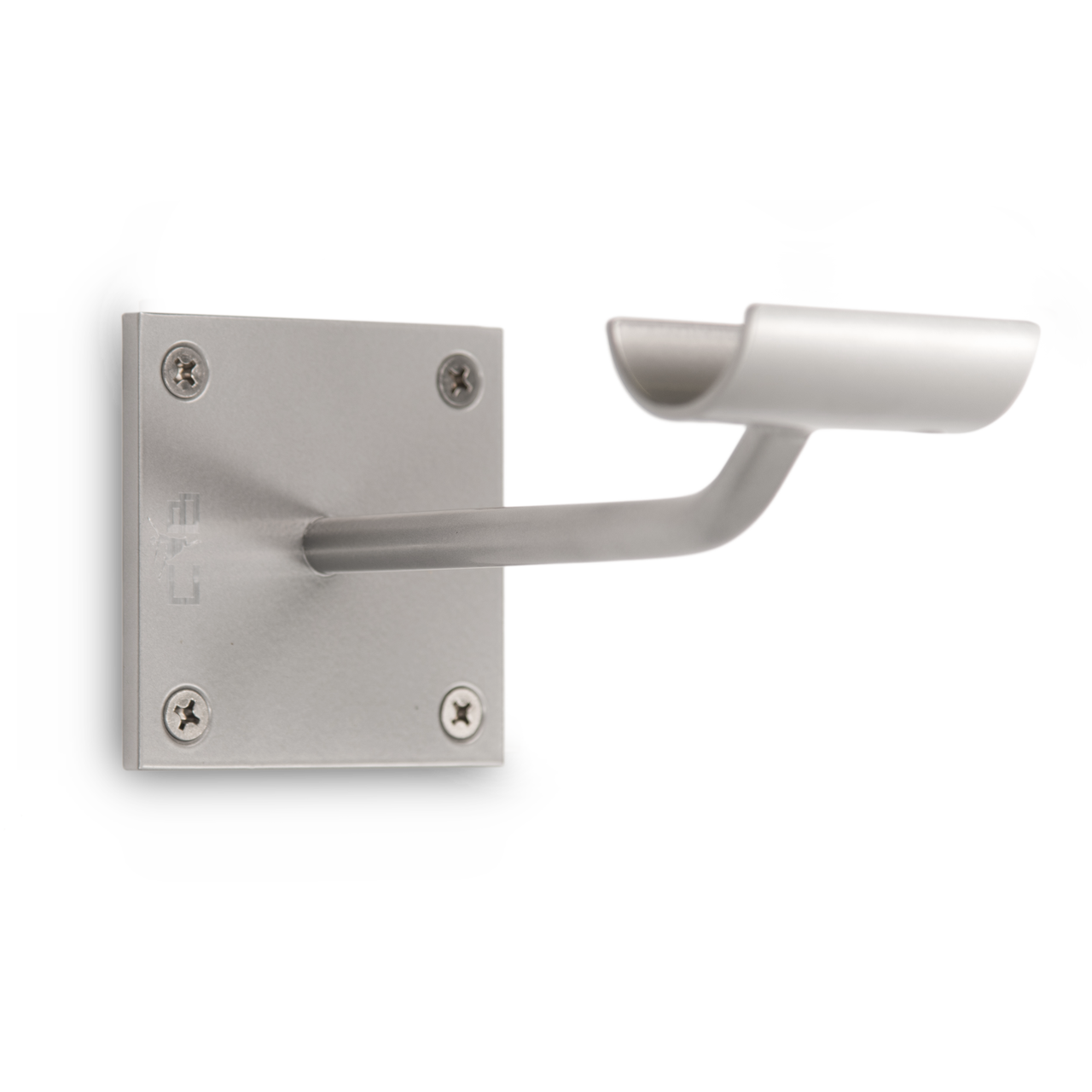
Clearance behind the grip supports safe grasping and reduces pinch points, depending on bracket and wall conditions.

Continuity

Continuous grip area

Avoid interruptions where possible. Longer runs can support progressive gait and balance training sessions.

Strength & safety (built for clinical reality)

In rehabilitation settings, patients may suddenly transfer full body weight. Therapy barres should be engineered for high-load support and mounted into appropriate structural backing.

  • Designed for high-load support when installed per specification
  • Stable, confidence-building feel along the full run
  • Finishes and surfaces that are practical for repeated sanitization
  • Configurations that support PT workflows (single height, double height, long runs)

Tip: For clinical stability, facilities often prefer closer bracket spacing compared to dance/fitness installations.

Installation guidelines (what facilities should plan for)

Mounting surface

Install into studs or blocking. Concrete/CMU requires appropriate masonry anchors. Avoid drywall-only mounting.

Clearance & alignment

Confirm wall clearance behind the grip, set final height to match patient population, and verify level installation across the run.

Bracket spacing

For rehab stability, consider closer spacing to minimize flex and improve confidence for fall-risk patients.

Professional install

Many facilities use licensed contractors and keep installation notes for safety and compliance processes.

Facility documentation checklist

For clinical environments, documentation is part of risk management. Keep records that support consistent inspection and maintenance.

  • Installation date, installer name, and mounting method
  • Wall type (studs/blocking, concrete/CMU, etc.) and anchor type
  • Final installed height and clearance measurements
  • Inspection schedule (weekly/quarterly) and findings
  • Maintenance and refinishing logs (as needed)

FAQ

What height should therapy barres be installed for ADA alignment?

A common ADA-aligned installation range is 34–38 inches measured to the top of the gripping surface. Many facilities choose ~36 inches as a practical standard, adjusted to the patient population and treatment goals.

What diameter is best for rehabilitation and accessibility?

Accessible environments commonly use a circular gripping surface within 1¼–2 inches. Many rehab facilities prefer 2 inches for comfort and a more supportive grip, especially for older adults or patients with reduced hand strength.

What wall clearance is required behind the barre?

A minimum clearance of 1½ inches behind the gripping surface is commonly used to support safe grasping. Final clearance depends on the bracket design and wall conditions.

Do portable barres meet ADA requirements?

Portable barres can be useful for training, but fixed wall- or floor-mounted systems are typically preferred where an accessible, continuous support surface is required.

What documentation should facilities keep for safety and liability?

Keep installation notes, mounting method details, height/clearance measurements, and an inspection/maintenance schedule. This supports consistent safety practices and internal compliance processes.

Need help specifying?

Tell us your wall type, desired run length, target height, and patient population. We’ll recommend the right configuration.

Note: Accessibility outcomes depend on installation context. Install per specification and facility requirements.

Ready to spec an ADA-aligned therapy barre?

Send your facility details and we’ll help you choose the best configuration for safe, accessible rehabilitation use.

International Shipping Policy (Outside USA)

Custom Barres ships internationally; however, please note that we do not collect or charge any customs duties, taxes, or fees imposed by your country. These charges, if applicable, are the sole responsibility of the recipient and must be paid upon delivery. We recommend checking with your local customs office for more information on any potential import fees prior to placing your order.

Return / Exchange / Refund Policy

IMPORTANT! All Barres and Brackets are custom made-to-order and therefore NOT Eligible For Return or Exchange and are Non-Refundable. If you aren't sure what to purchase, please give us a call to discuss; we will gladly assist you!