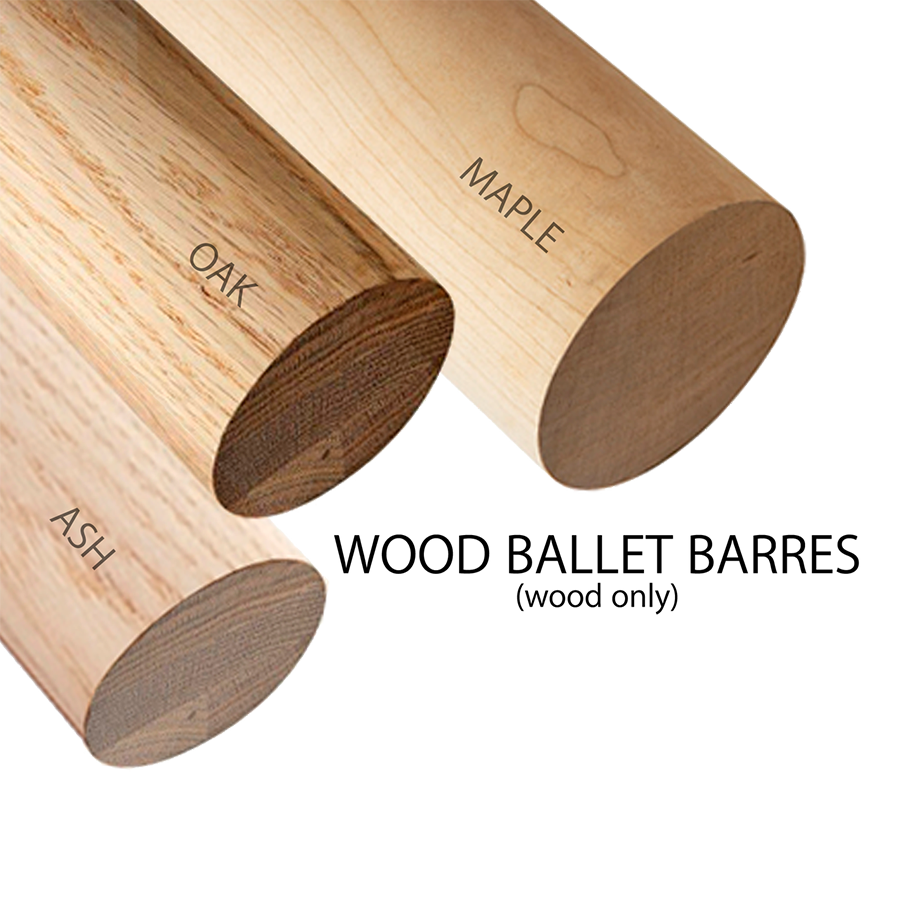
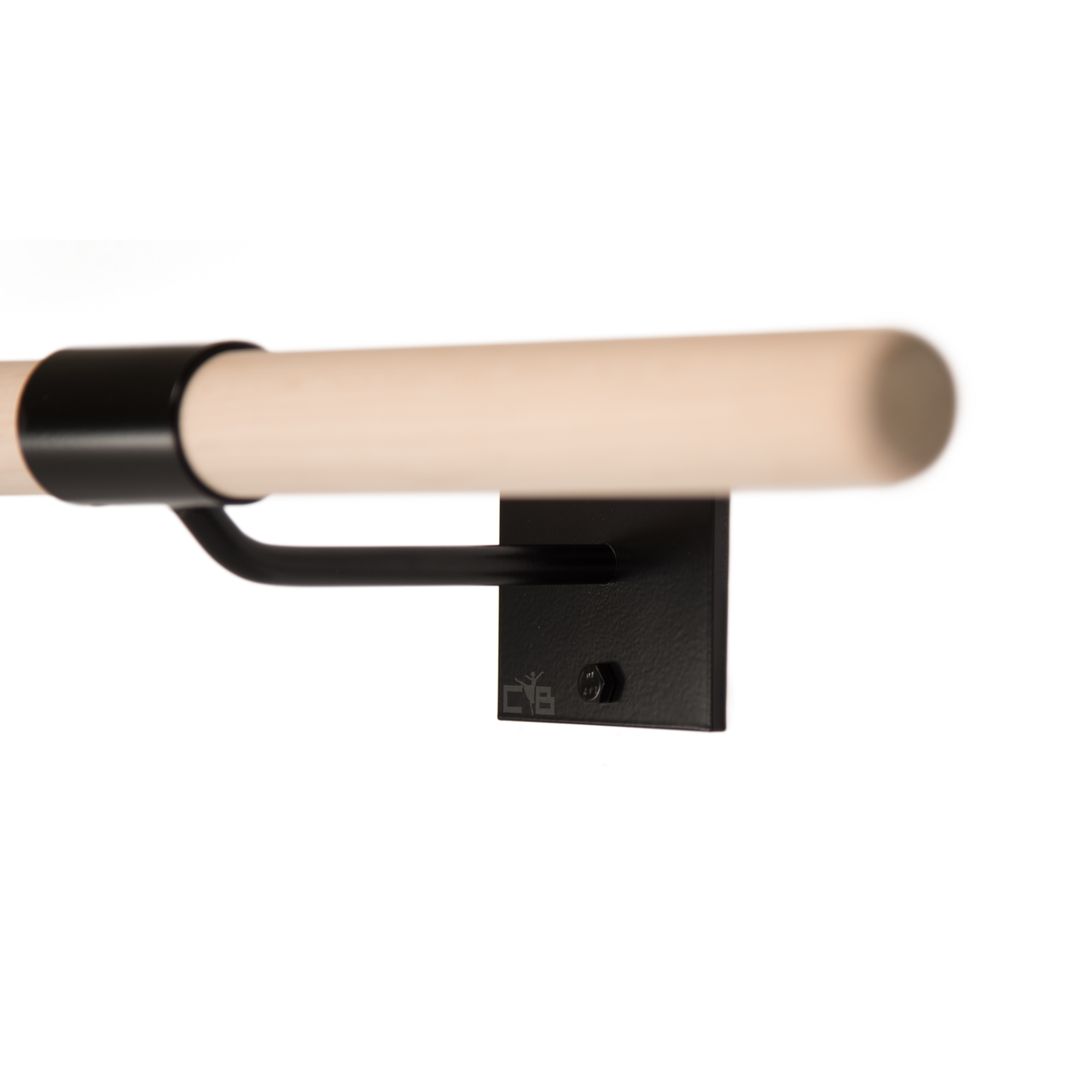
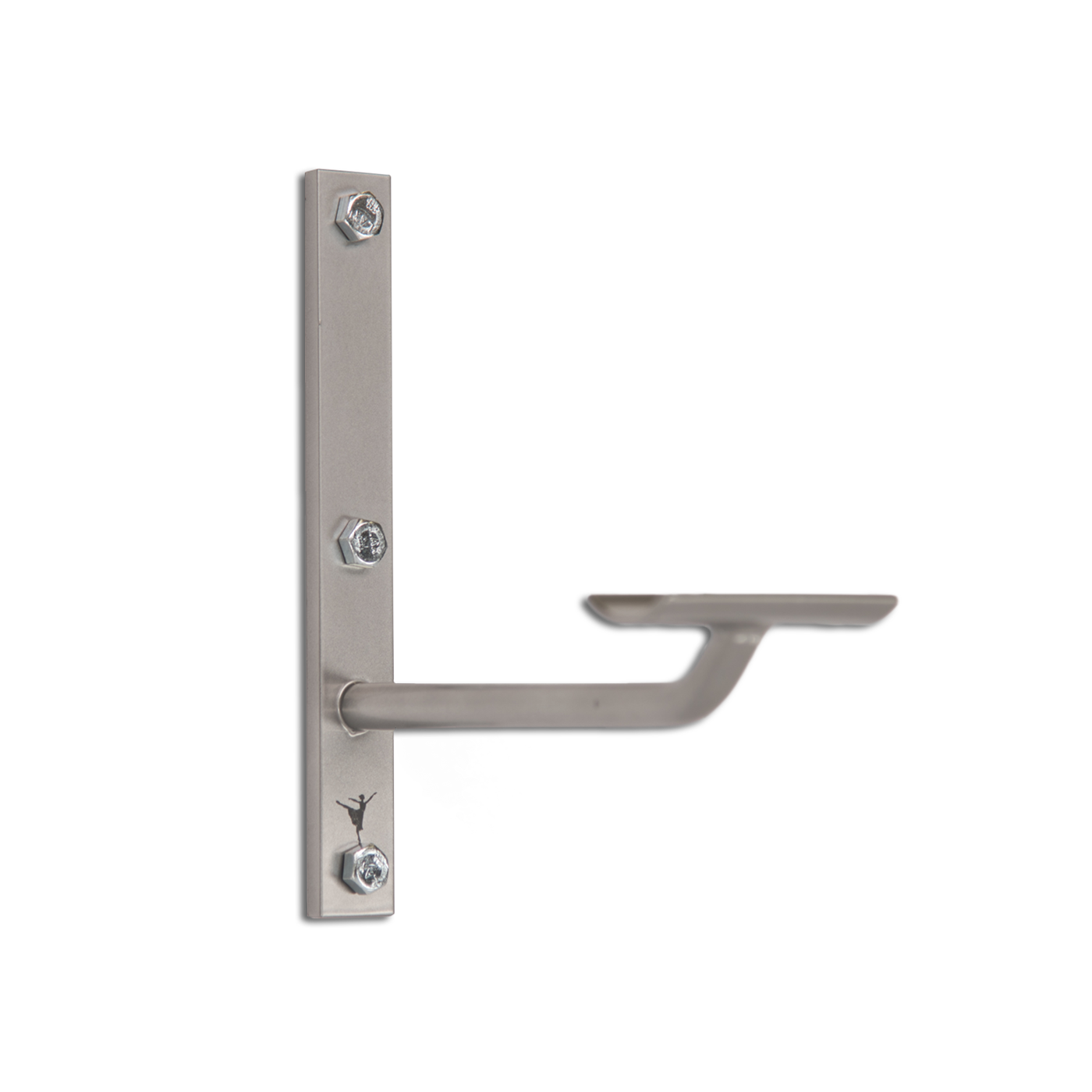
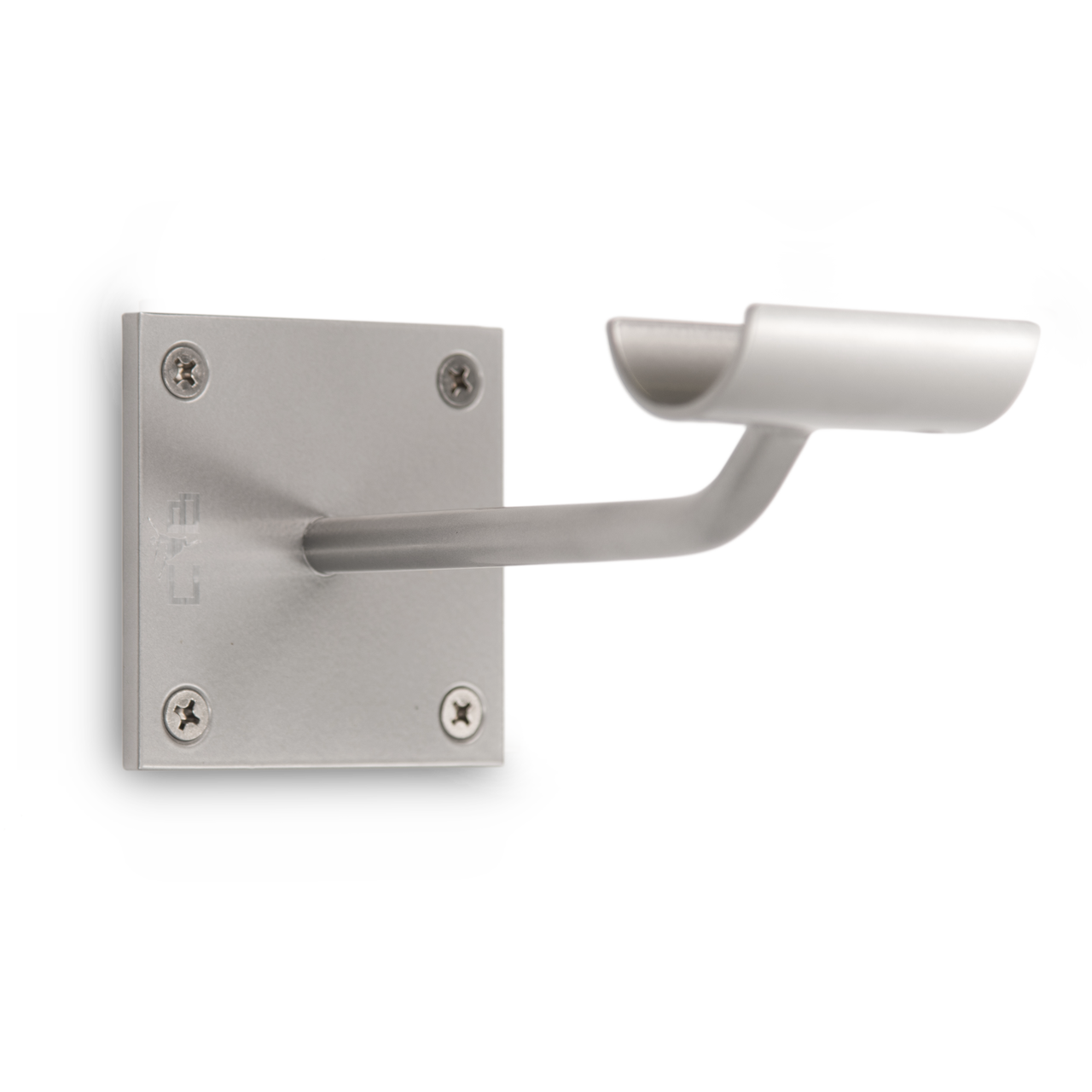
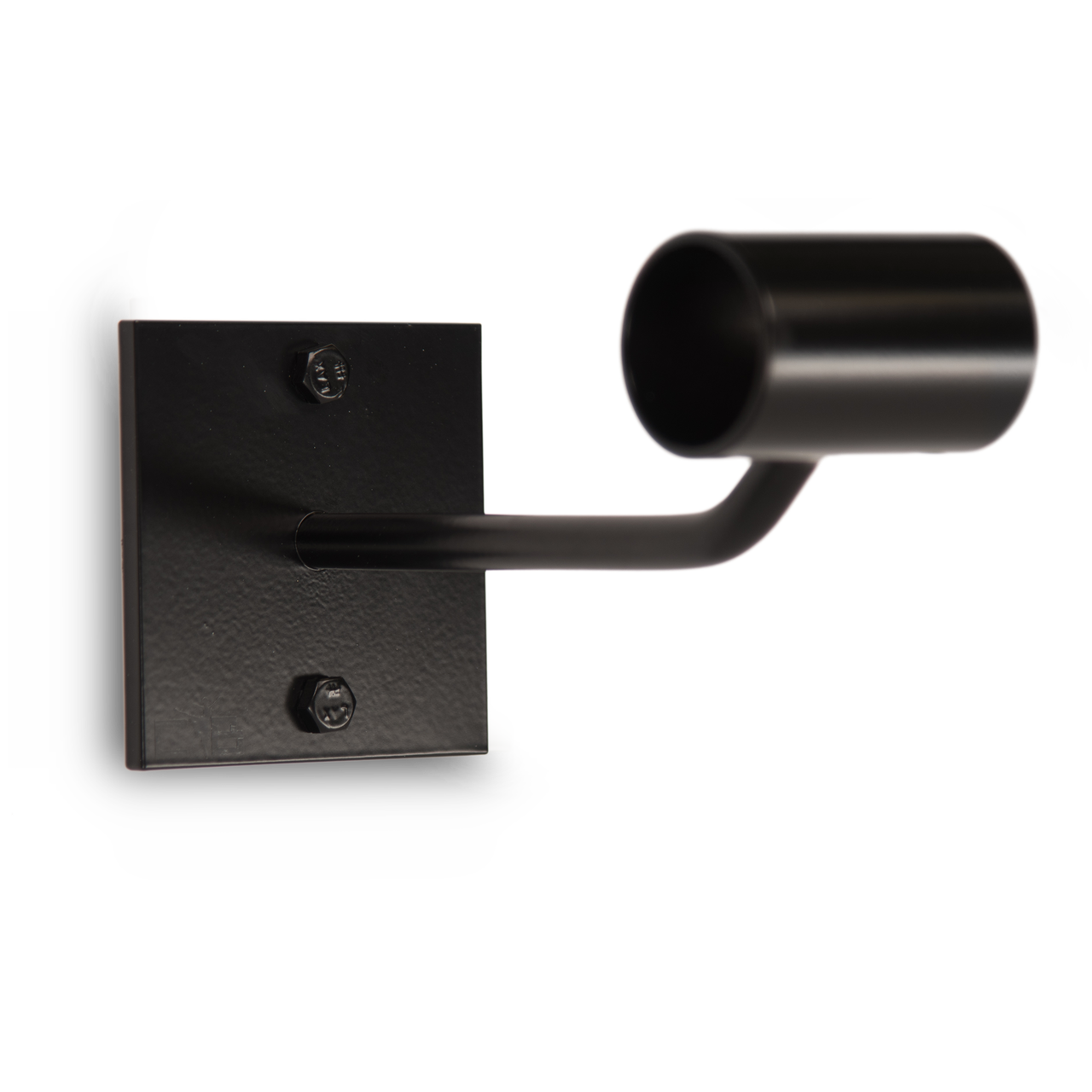
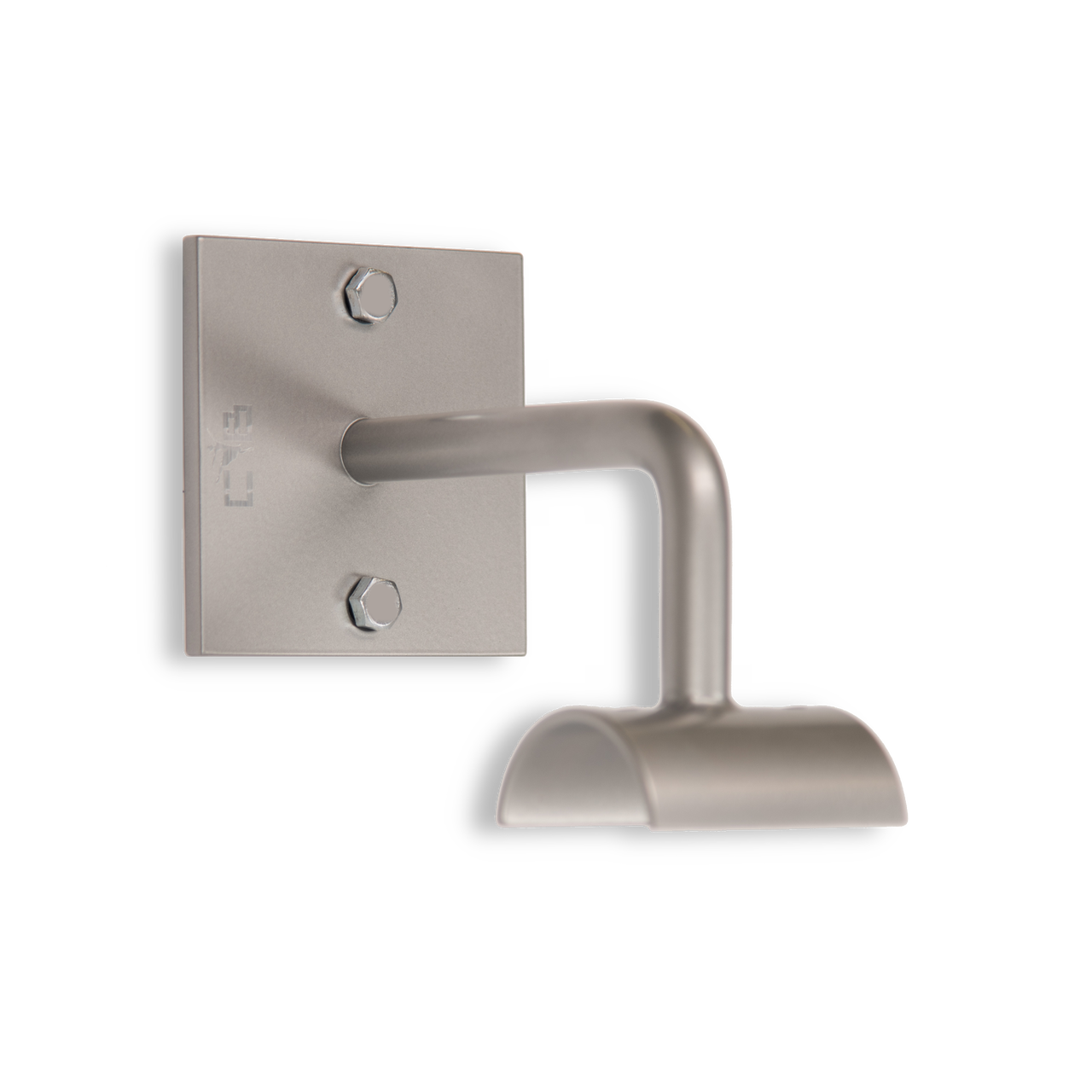
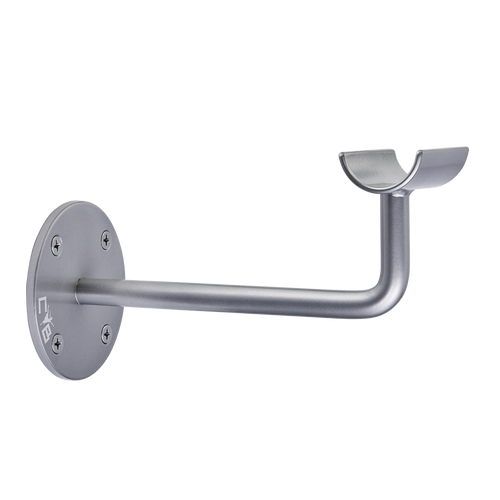
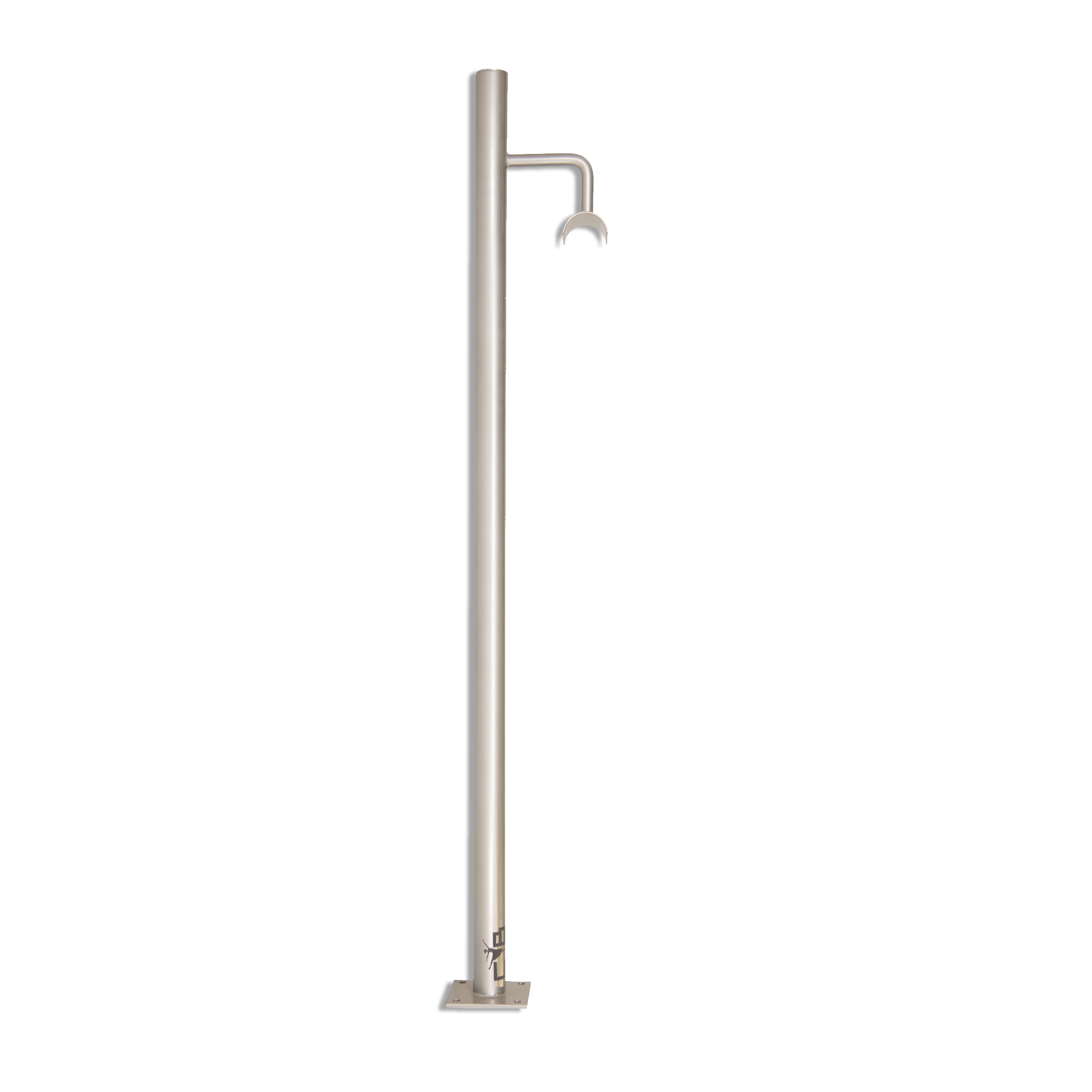

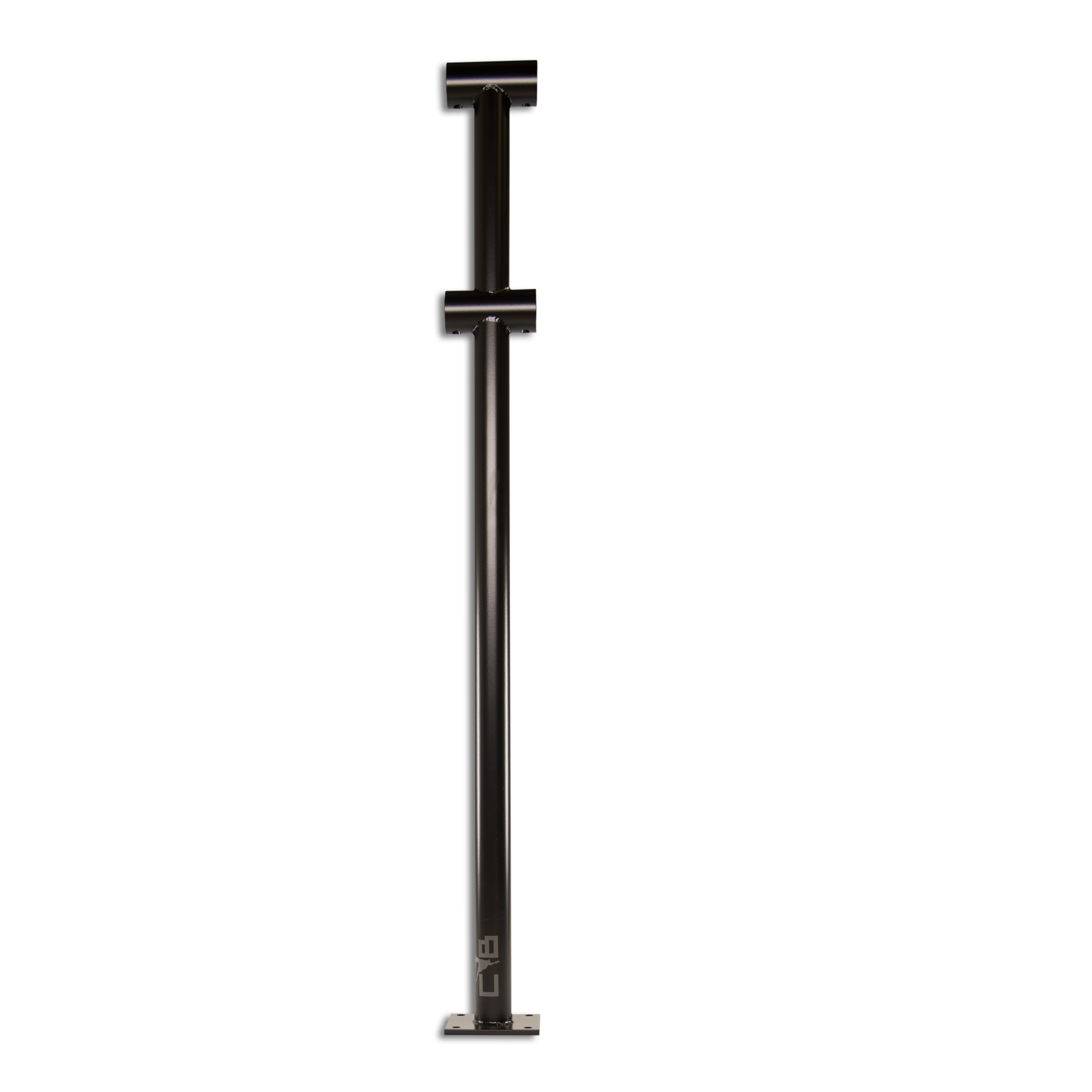
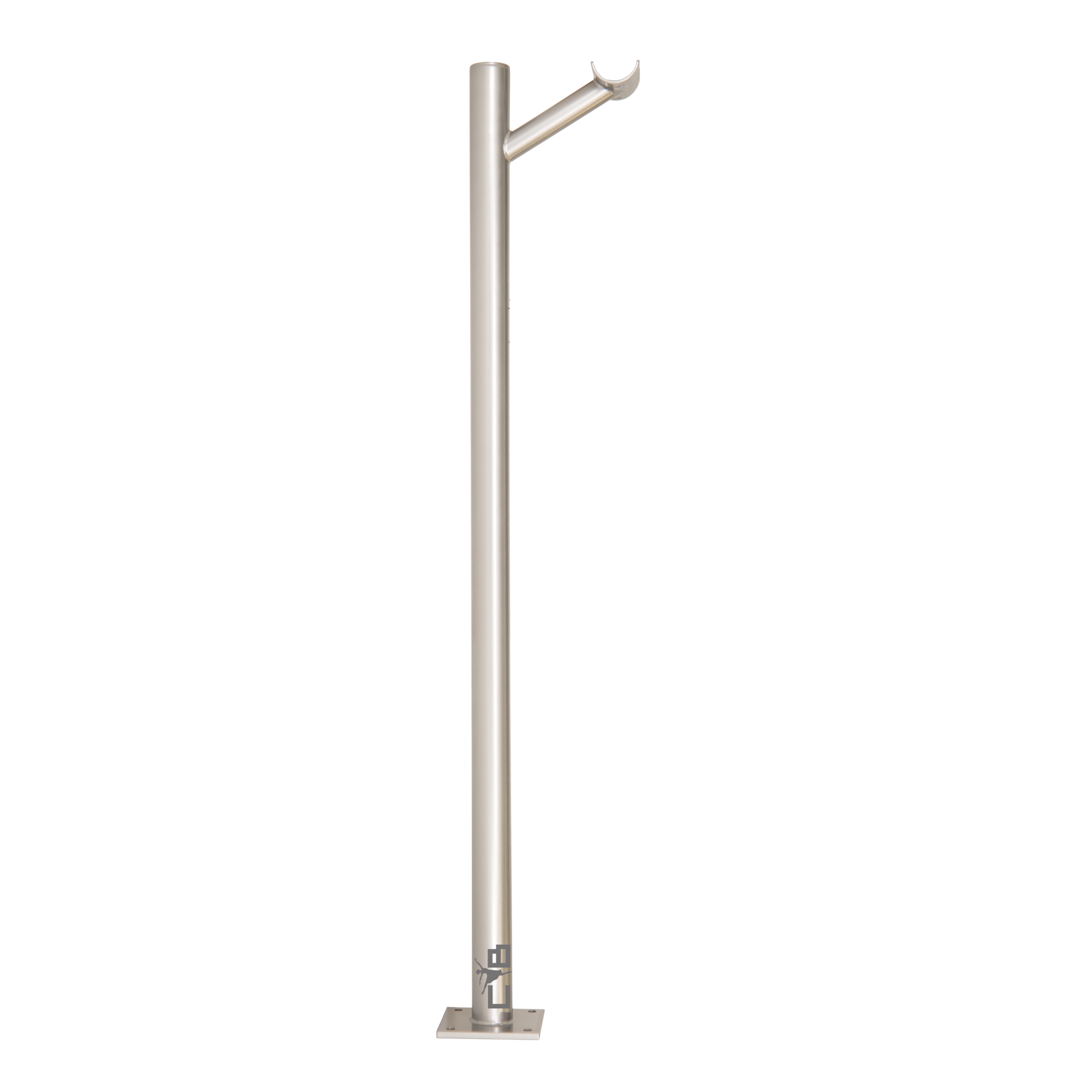
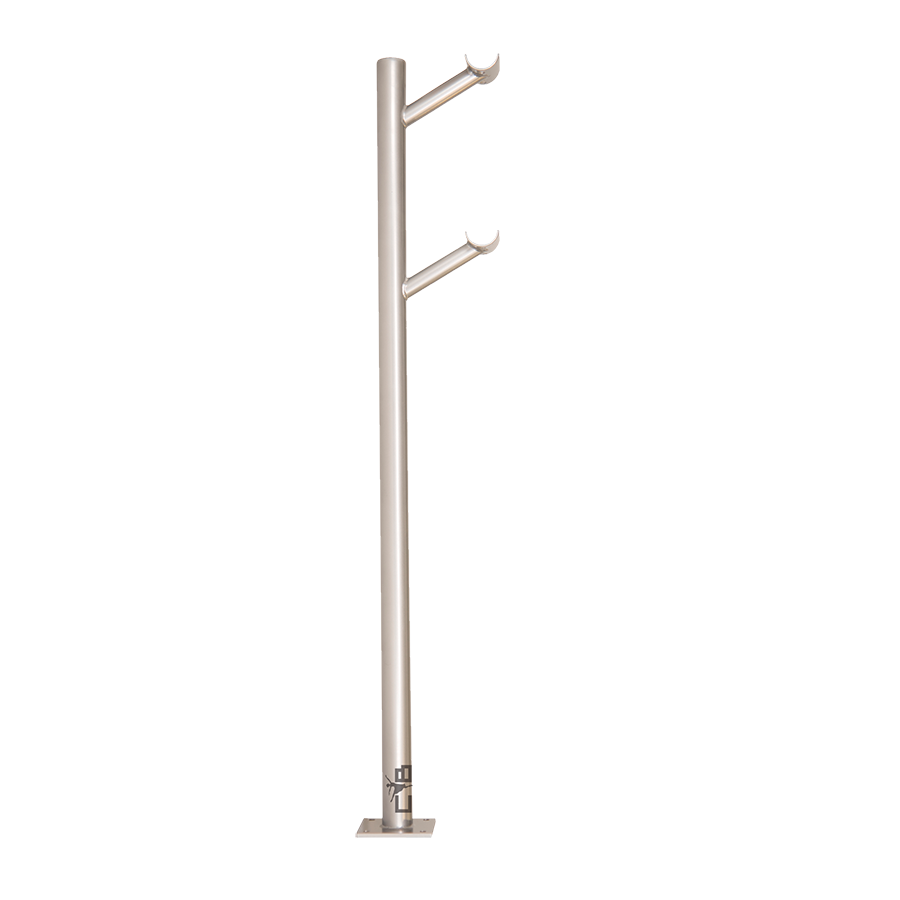
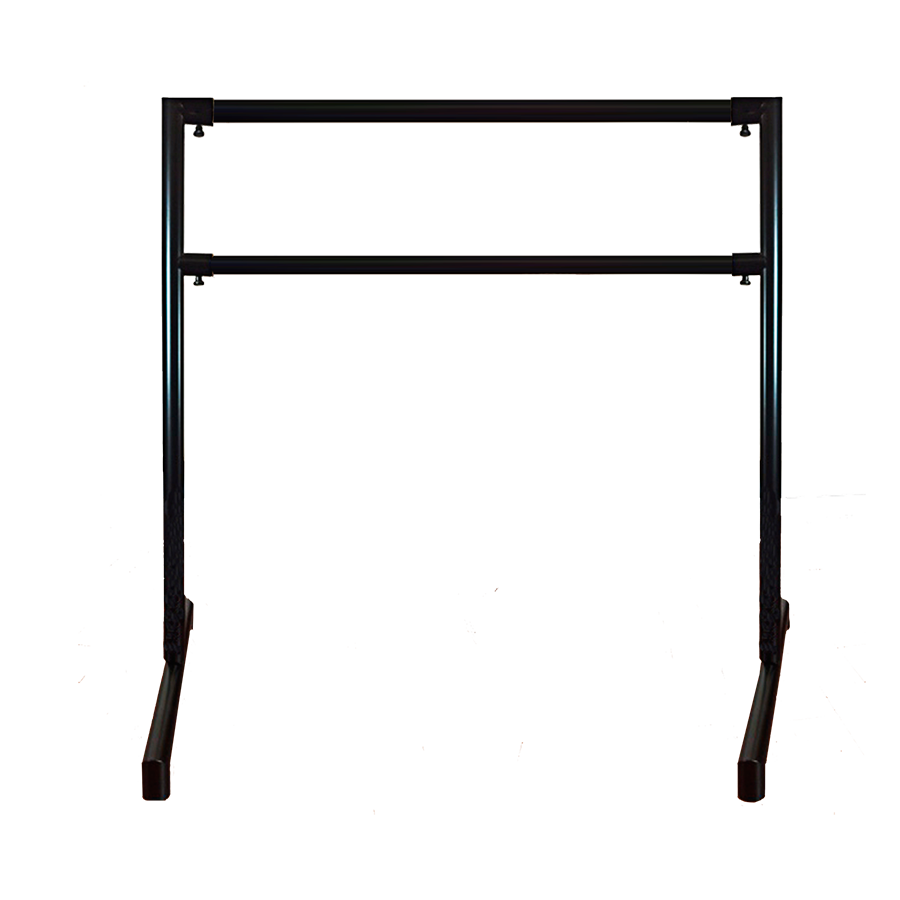
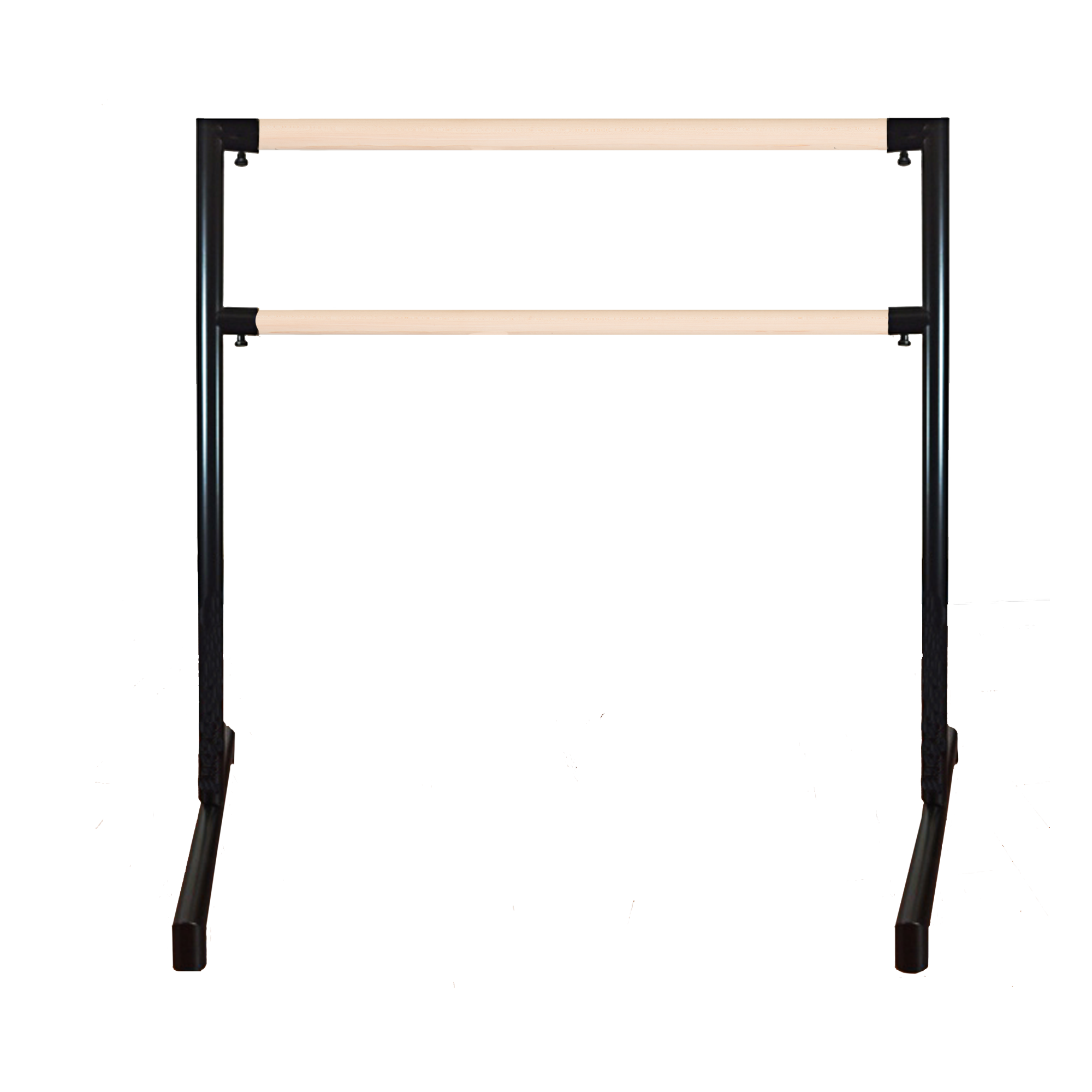
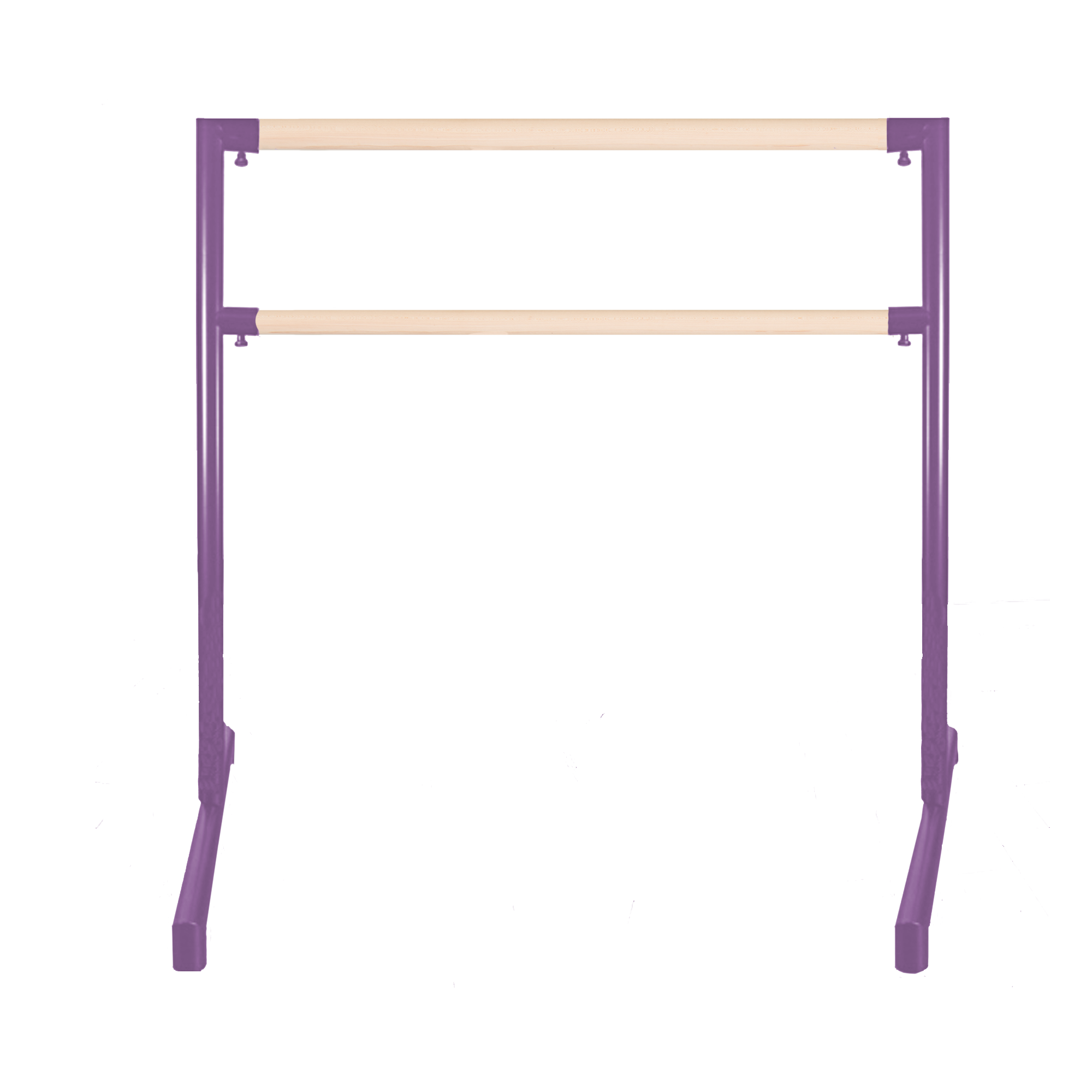
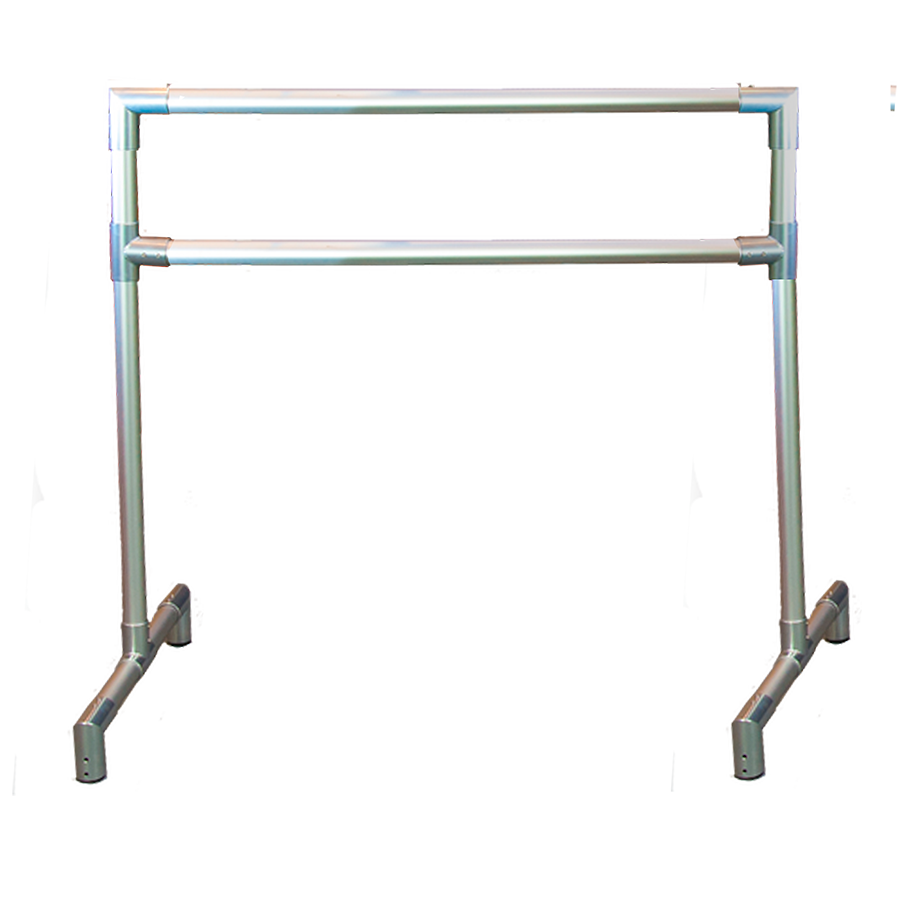
Rehabilitation Equipment Comparison A clinical comparison for rehabilitation facilities evaluating floor-mounted gait training bars and wall-mounted therapy support systems. Rehabilitation environments commonly use two types of support systems: floor-mounted parallel bars (often used for early-stage gait training) and wall-mounted barres used for assisted balance, mobility progression, and corridor support. Each system serves a distinct clinical purpose. Choosing the correct configuration depends on patient population, therapy goals, and facility layout. Typically constructed from steel or powder-coated metal with adjustable width and height. Designed primarily for early-stage gait training and closely supervised therapy. Wall-mounted support systems secured into structural framing. Used for balance training, mobility progression, and continuous corridor assistance. Floor-mounted parallel bars require dedicated floor clearance and can limit therapy room flexibility. Wall-mounted systems provide continuous support while preserving open floor space, making them particularly valuable in corridors, shared therapy rooms, and multi-use treatment areas. In many facilities, both systems are used: parallel bars for early rehabilitation, and wall-mounted barres for progression, balance, and long-path mobility training. Custom Barres wall-mounted systems are engineered for professional studios, rehabilitation centers, and institutional environments.Parallel Bars vs Wall-Mounted Barres for Rehabilitation
Understanding the Difference
Side-by-Side Clinical Comparison
Floor-Mounted Parallel Bars
Wall-Mounted Rehabilitation Barres
When Each System Is Appropriate
Parallel Bars Are Ideal For:
Wall-Mounted Barres Are Ideal For:
Space Efficiency & Facility Planning
Rehabilitation Resource Center
Explore Clinical-Grade Wall Barres
CALL NOW
| TEL:848.245.9464