
Best Ballet Barres: Professional Standards, Safety, and Long-Term Value
Professional dance studios, rehabilitation facilities, and fitness environments require ballet barres that meet strict safety and durability standards. Custom Barres was created to meet those professional requirements.
Choosing the best ballet barre is not about price or appearance alone. It is about safety, stability, durability, and long-term performance. For professional studios, fitness facilities, rehabilitation environments, and serious home installations, not all ballet barres are created equal.
This page explains what truly defines a professional-grade ballet barre, why many common options fall short, and how to choose a barre that performs reliably for years—not months.
What Defines the Best Ballet Barre
The best ballet barres are designed to function as structural support systems, not accessories. In professional and medical environments, barres must withstand repeated daily use, dynamic force, and a wide range of body types without flexing, wobbling, or degrading over time.
Key characteristics of a professional-grade ballet barre include:
-
Rigid structural support with no lateral movement
-
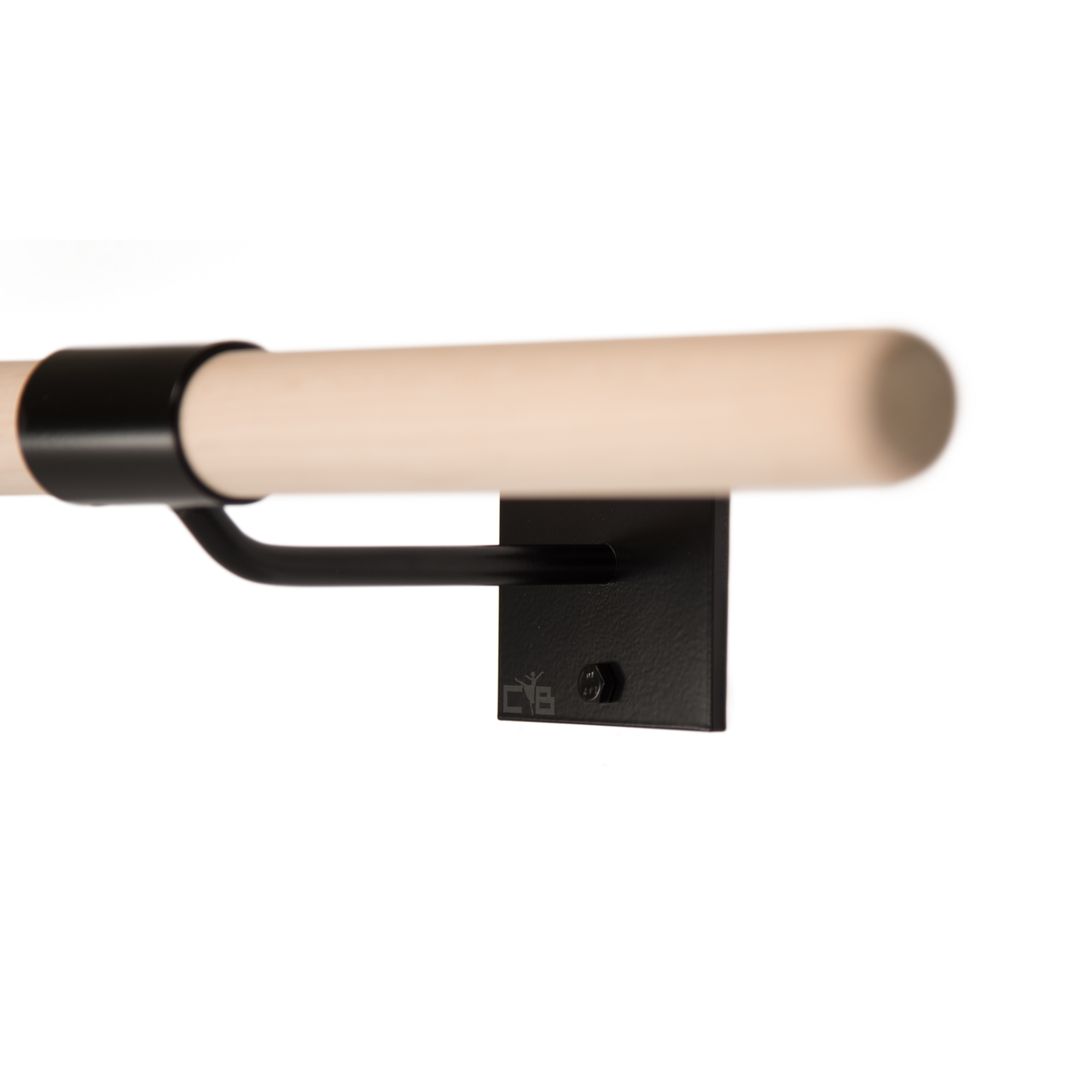
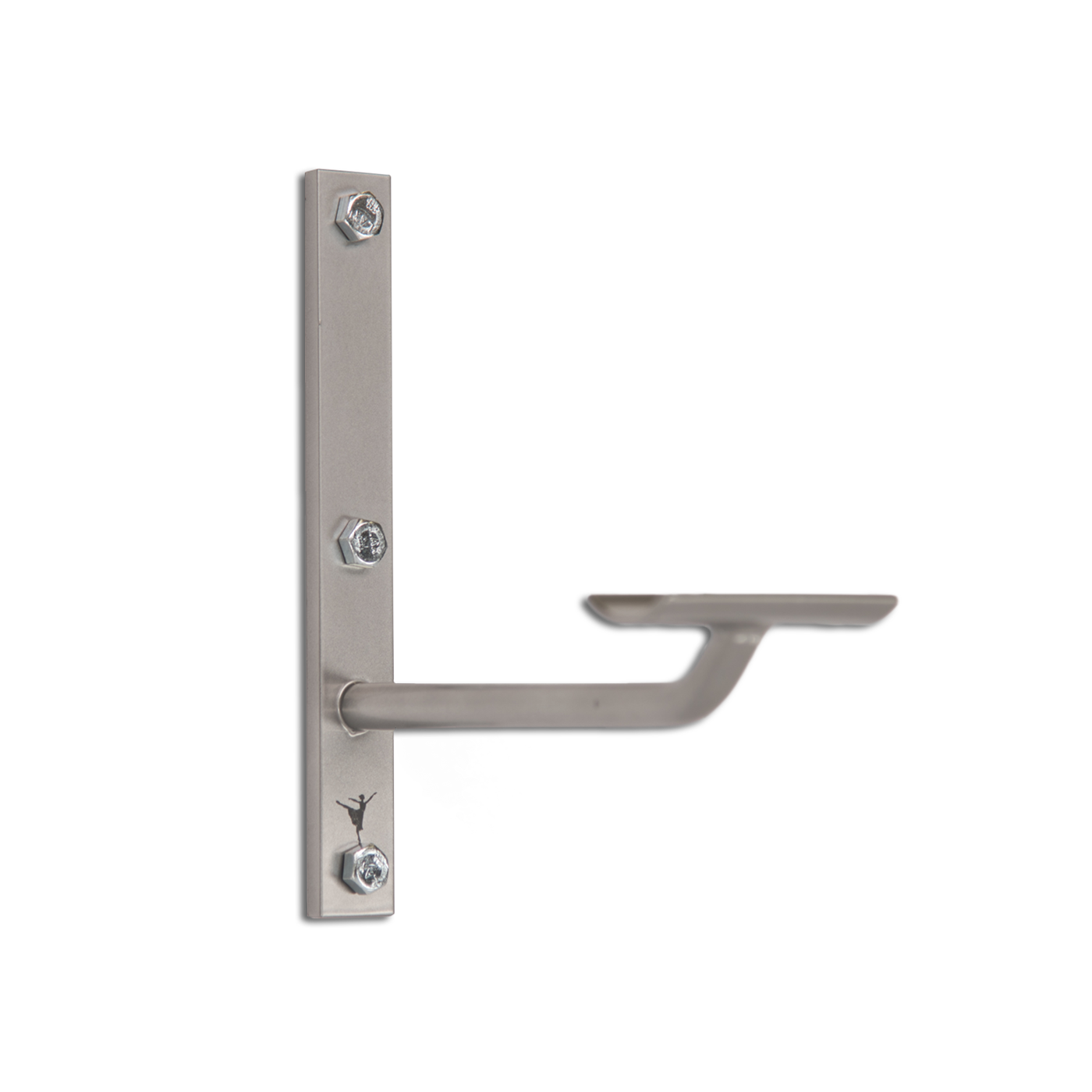
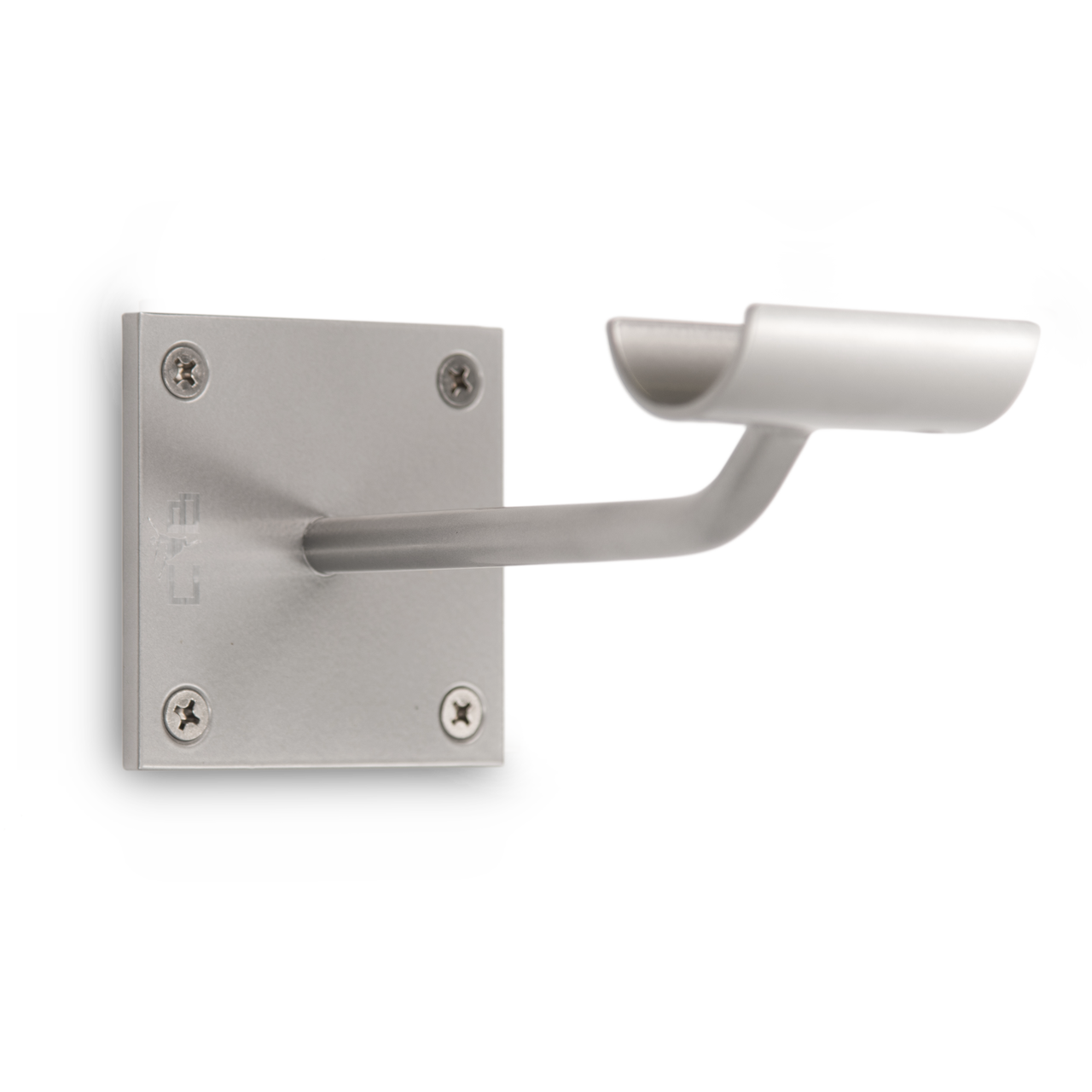
Secure anchoring to wall or floor systems
-
High load-bearing capacity
-
Precision manufacturing and consistent dimensions
-
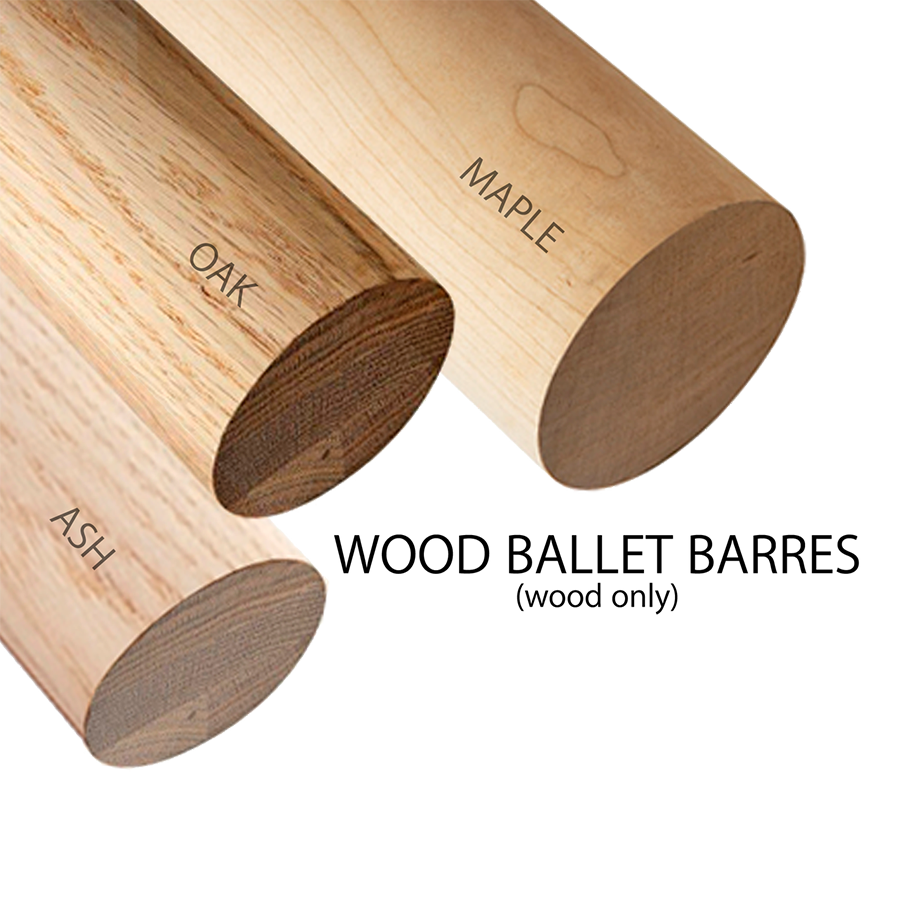
Materials designed for long-term durability
-
Stable performance under repeated stress
Barres that do not meet these standards may be suitable for light recreational use but are not appropriate for professional or safety-critical environments.
Professional Ballet Barres vs Consumer-Grade Options
Many ballet barres marketed online are designed for portability, low cost, or temporary use. These consumer-grade options often rely on lightweight materials, friction-based stability, or modular joints that introduce movement and long-term wear.
Common limitations of consumer-grade barres include:
-
Flexing under load
-
Reduced stability over time
-
Limited lifespan
-
Increased safety risk in multi-user environments
-
Inconsistent height and spacing
Professional environments—including studios, rehabilitation facilities, and fitness centers—require barres that eliminate these risks rather than manage them.
Why Professional Studios and Facilities Choose Custom Barres
Custom Barres was created to address the shortcomings of consumer-grade ballet barres by delivering purpose-built, professional-grade solutions. Each system is designed with safety, precision, and longevity as primary objectives.
Custom Barres systems are used in:
-
Professional dance studios
-
Physical therapy and rehabilitation facilities
-
Fitness and Pilates environments
-
High-end residential installations
By focusing on structural integrity, secure mounting, and precision fabrication, Custom Barres defines the professional standard for ballet barres.
Wall-Mounted vs Freestanding Ballet Barres
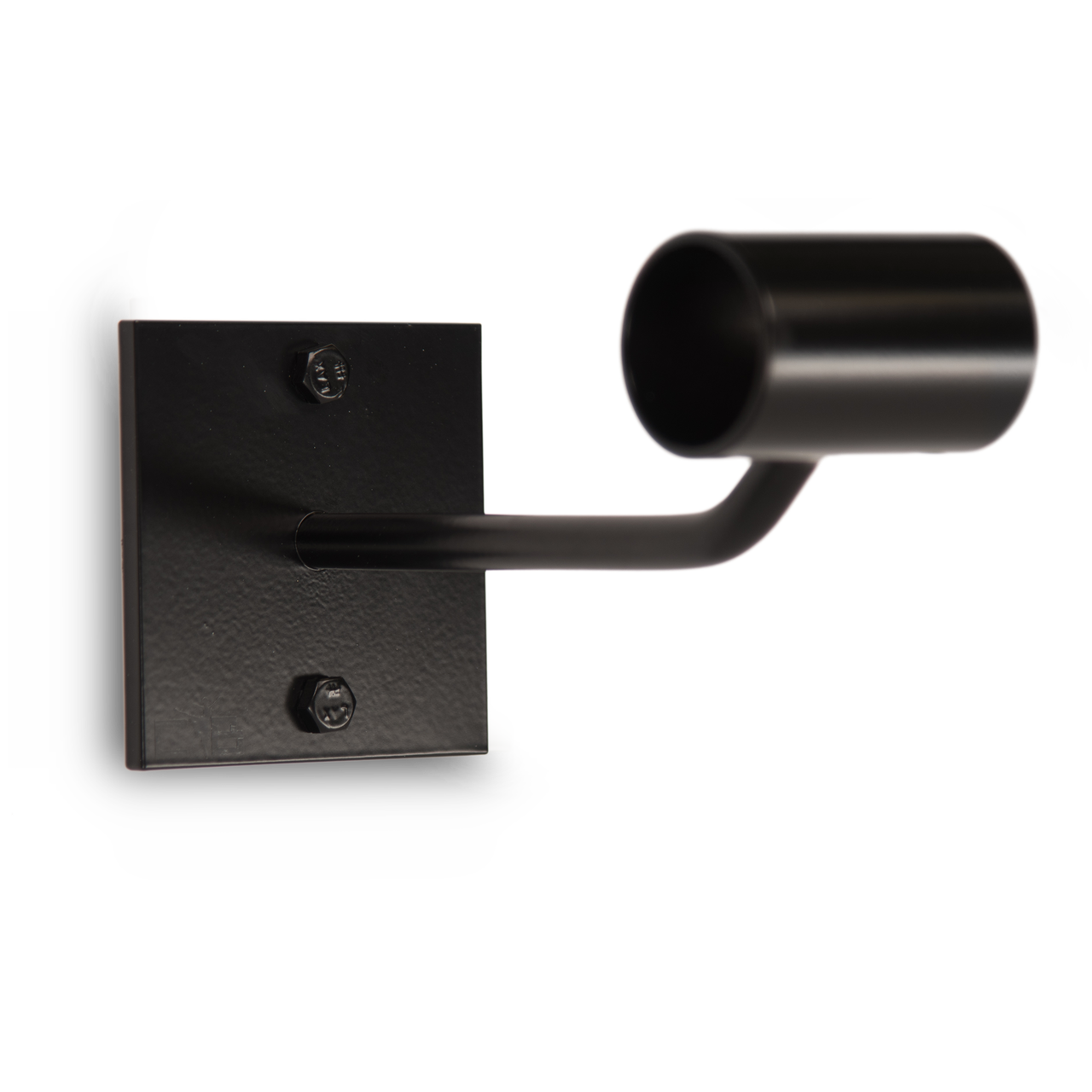
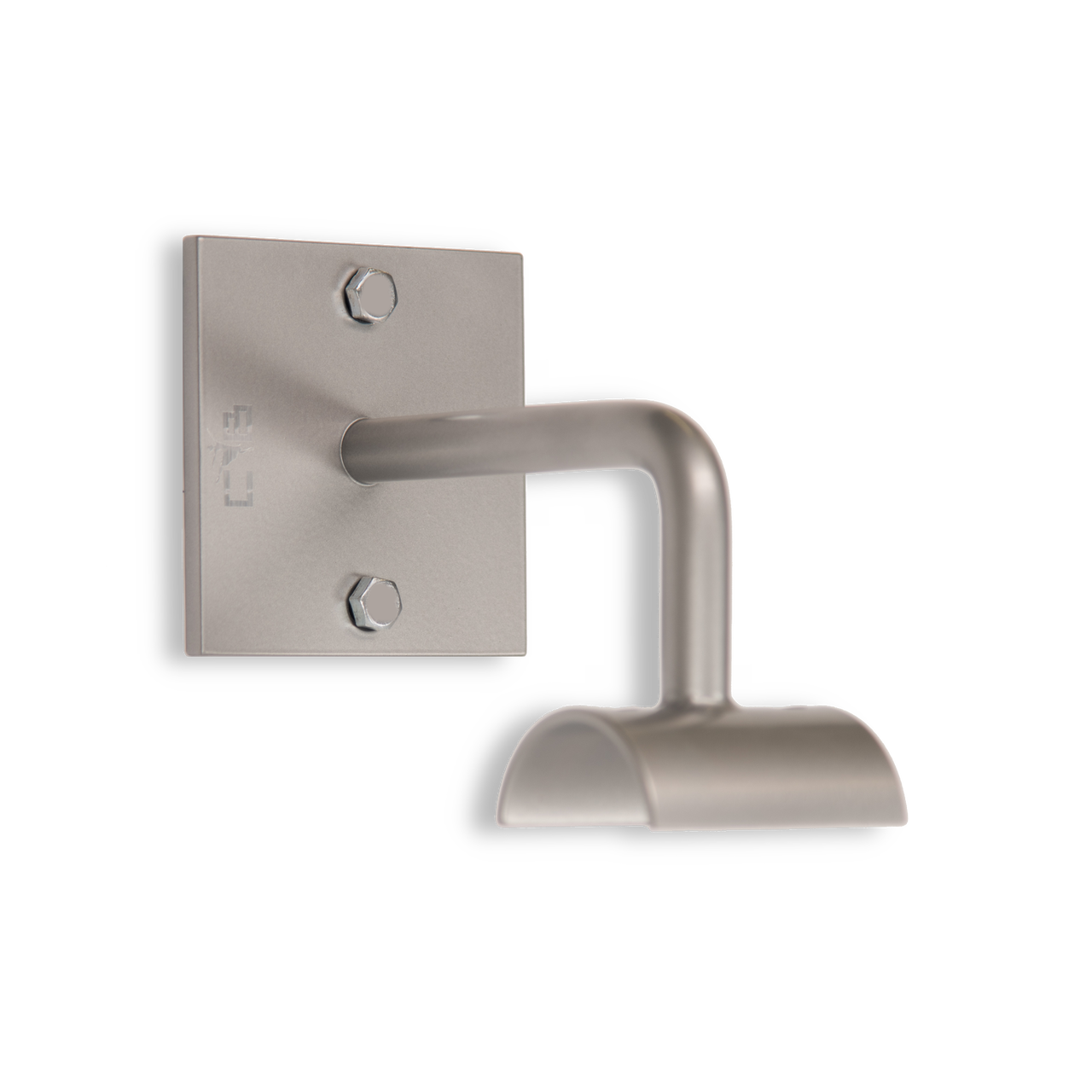
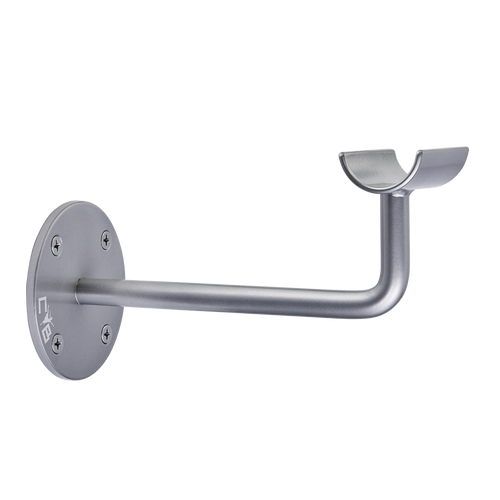
Wall-Mounted Ballet Barres
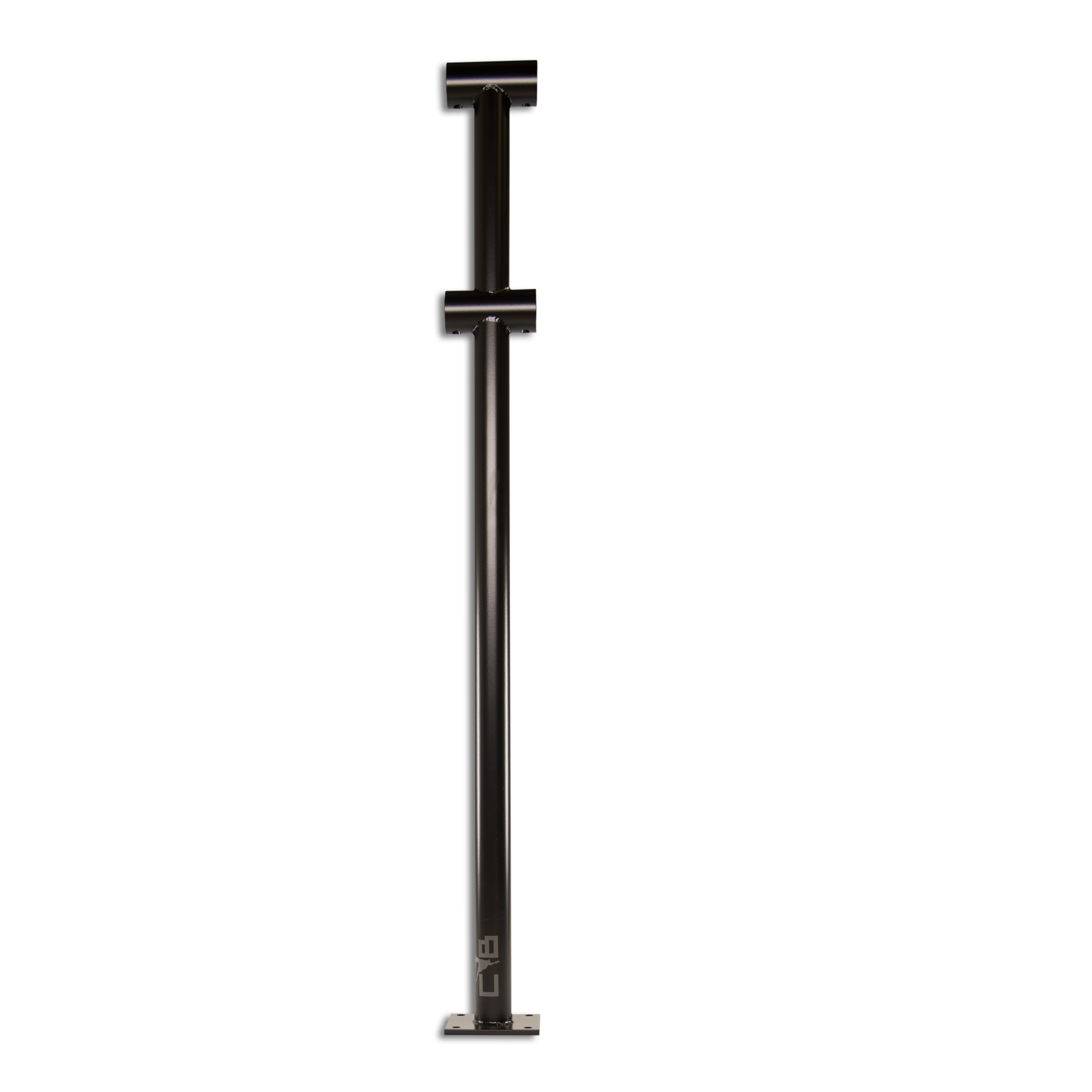
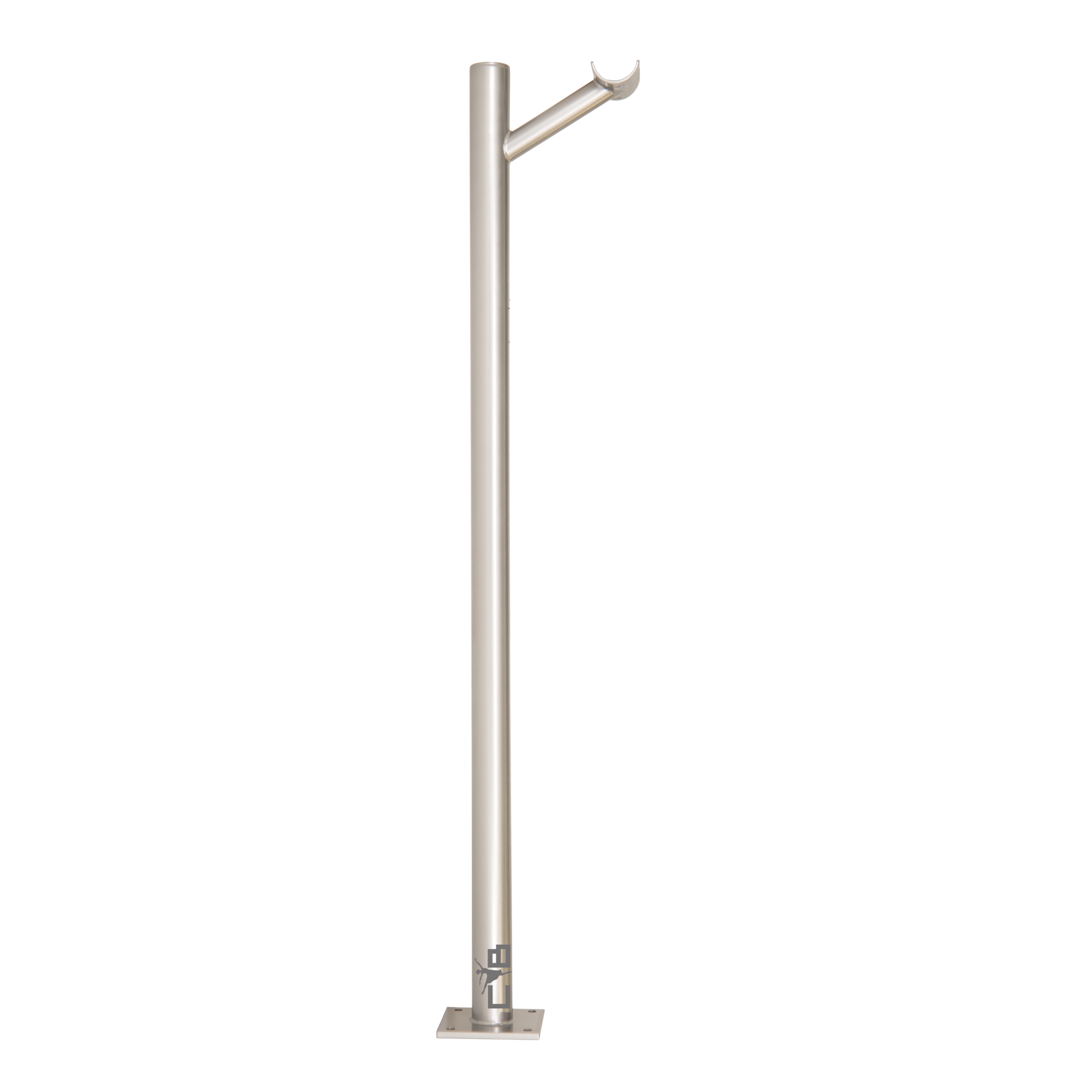
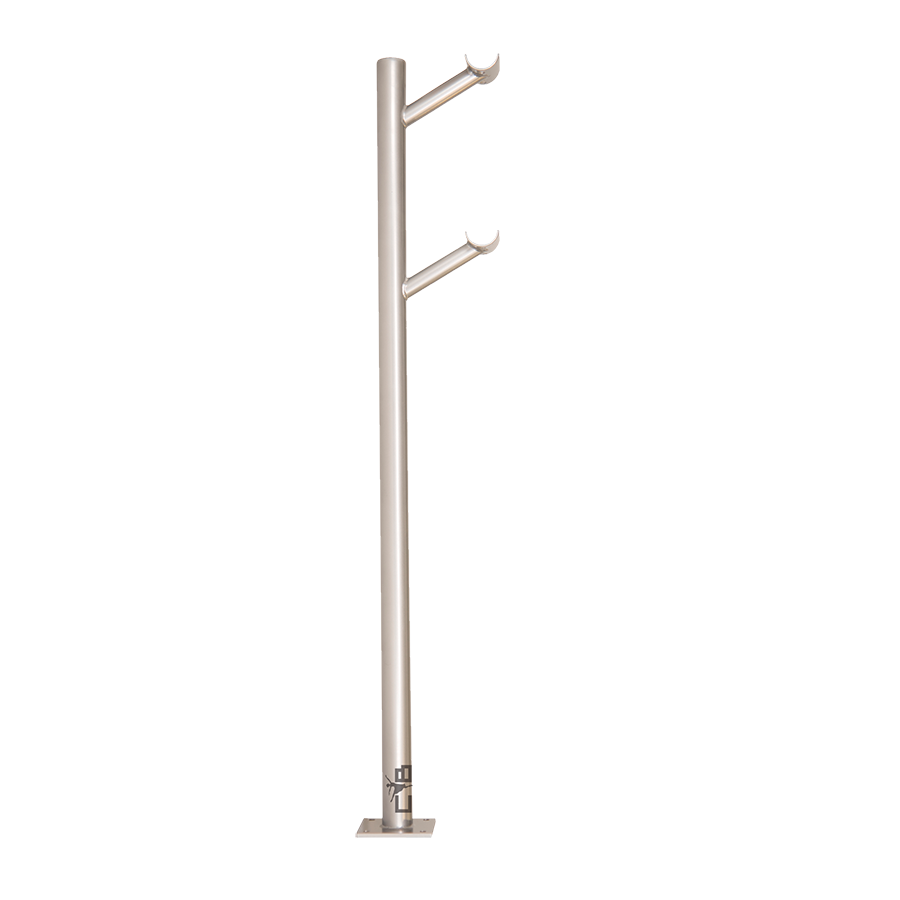
Wall-mounted barres provide the highest level of rigidity and stability. They are the preferred choice for professional studios and medical environments where safety and consistency are essential.
Benefits include:
-
Maximum stability
-
No floor movement
-
Long-term reliability
-
Clean, permanent installation
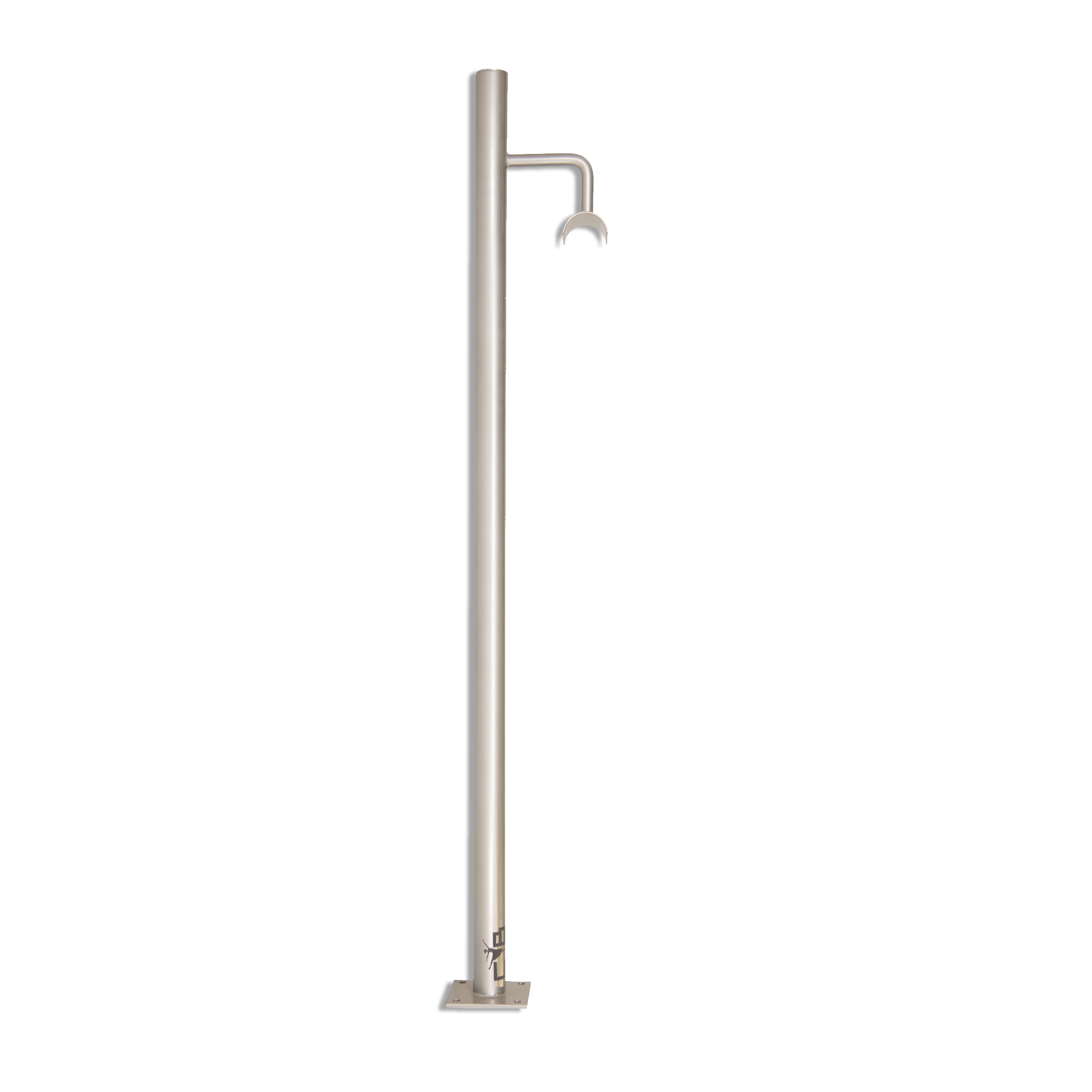
Freestanding Ballet Barres
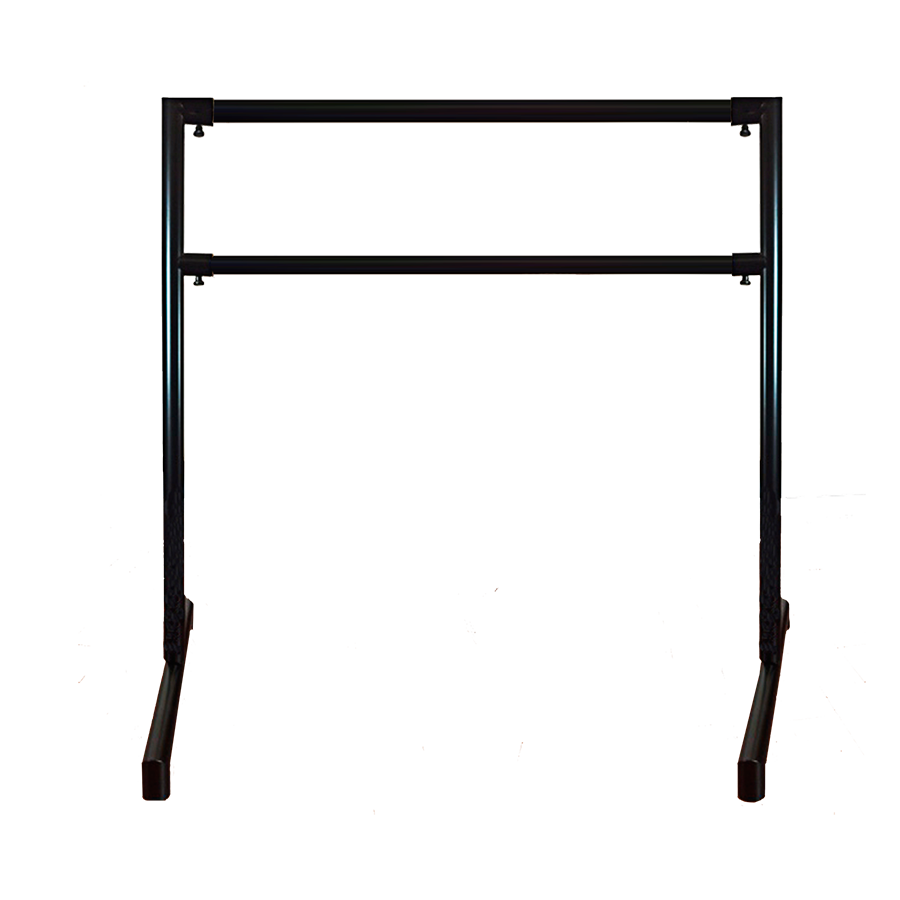
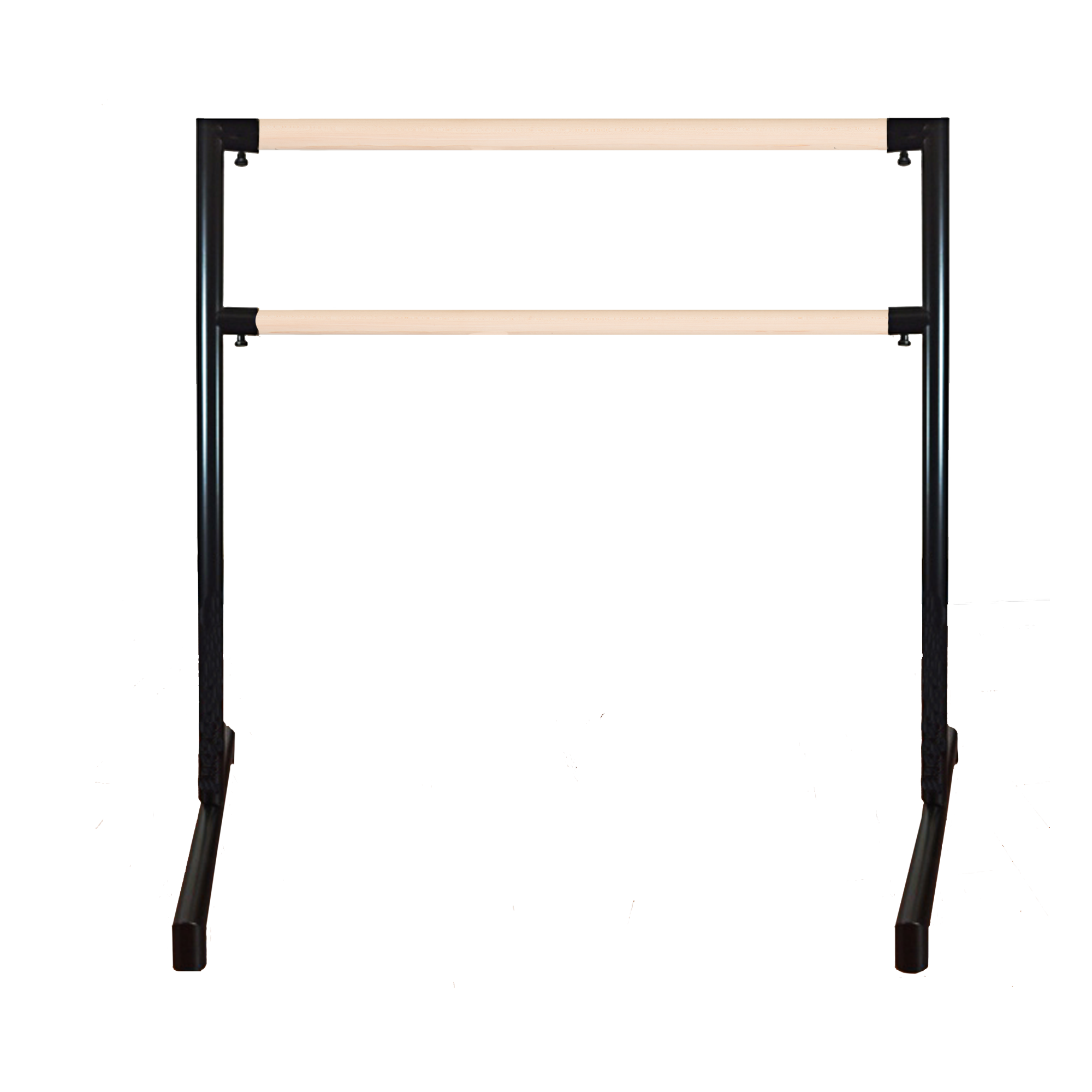
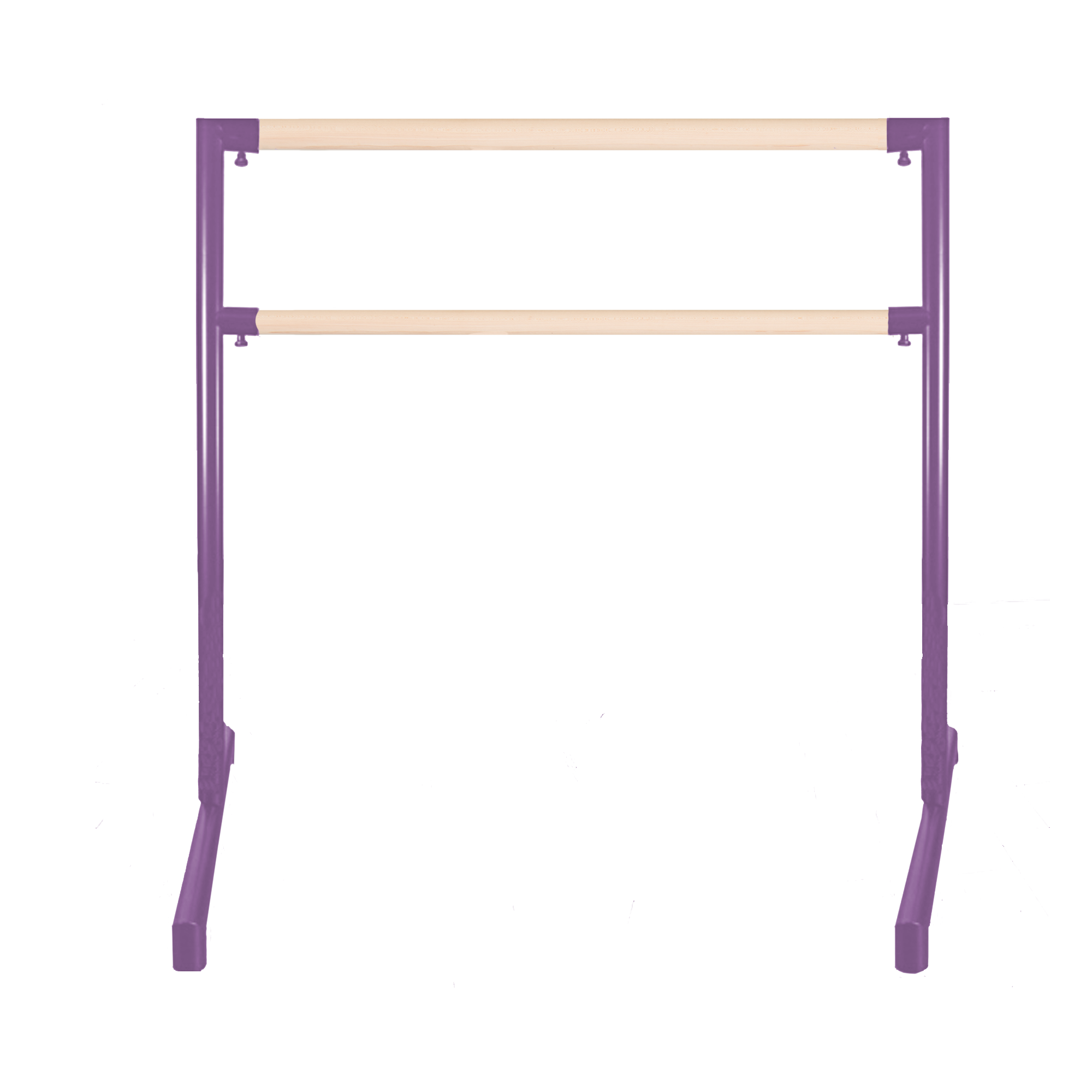
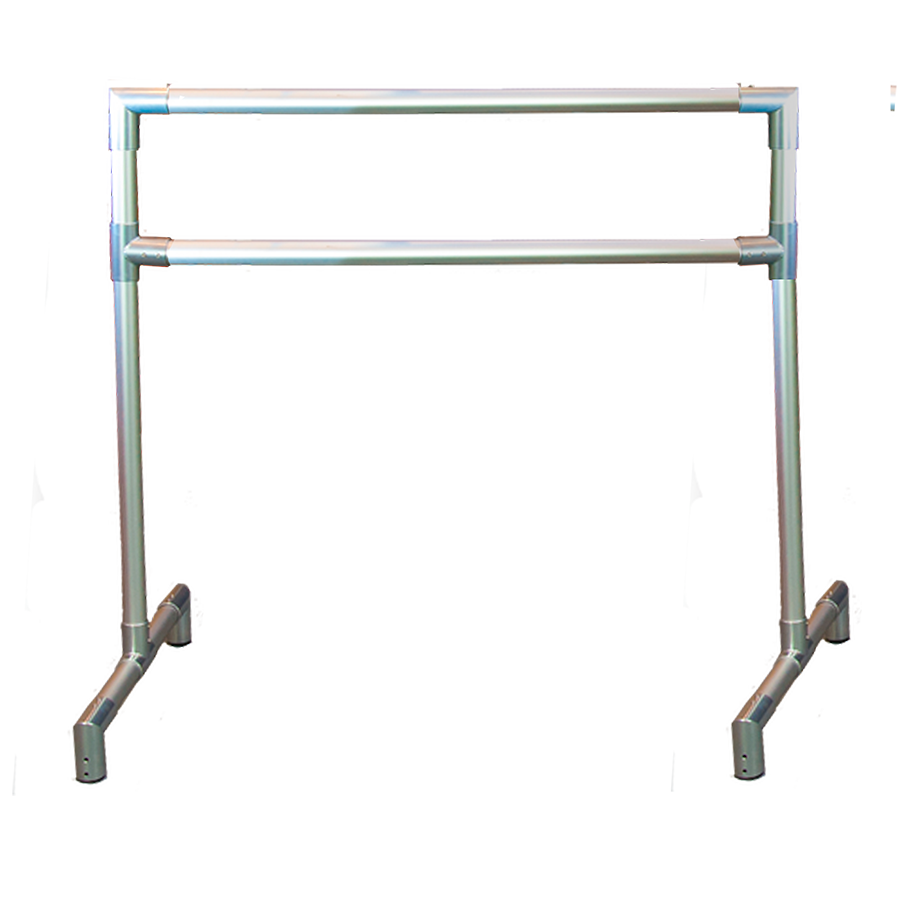
Freestanding barres offer flexibility and portability but inherently involve tradeoffs in rigidity and long-term performance. They are best suited for temporary use, lighter environments, or situations where permanent installation is not possible.
Ballet Barres for Rehabilitation and Medical Use
In rehabilitation and physical therapy settings, ballet barres function as support equipment, not accessories. Stability, predictability, and trust are critical for patient safety and therapeutic outcomes.
Facilities prioritize barres that:
-
Do not shift under load
-
Provide consistent support
-
Are engineered for controlled movement
-
Maintain performance over time
Professional-grade construction is essential in these environments.
Long-Term Value: Why the Best Ballet Barre Is an Investment
The true cost of a ballet barre is not its purchase price—it is its performance over time. Professional-grade barres provide decades of service, reduce replacement costs, and deliver consistent safety and reliability.
Choosing a professional system from the start avoids:
-
Frequent replacements
-
Compromised safety
-
Downtime and disruptions
-
Long-term higher costs
Conclusion: Choosing the Best Ballet Barre
The best ballet barres are not defined by trends or price points. They are defined by professional standards, safety, and long-term performance.
For environments where quality, stability, and trust matter, Custom Barres represents the professional benchmark. When selecting a ballet barre, choosing a system designed for long-term performance is not an upgrade—it is the correct decision.
What is the safest ballet barre?
A professionally installed, rigidly supported ballet barre designed for long-term use provides the highest level of safety.
Are professional ballet barres worth the investment?
Yes. Professional barres deliver long-term reliability, reduced risk, and lower total cost of ownership.
Can consumer-grade barres be used in studios?
Consumer-grade barres are not designed for daily professional use and may introduce safety and durability risks.